

This blog was written by the Community Resource Exchange collaborators Nukila Evanty (Inisiasi Masyarakat Adat, IMA) and Ali Akbar (Kanopi Hijau Indonesia, KHI)
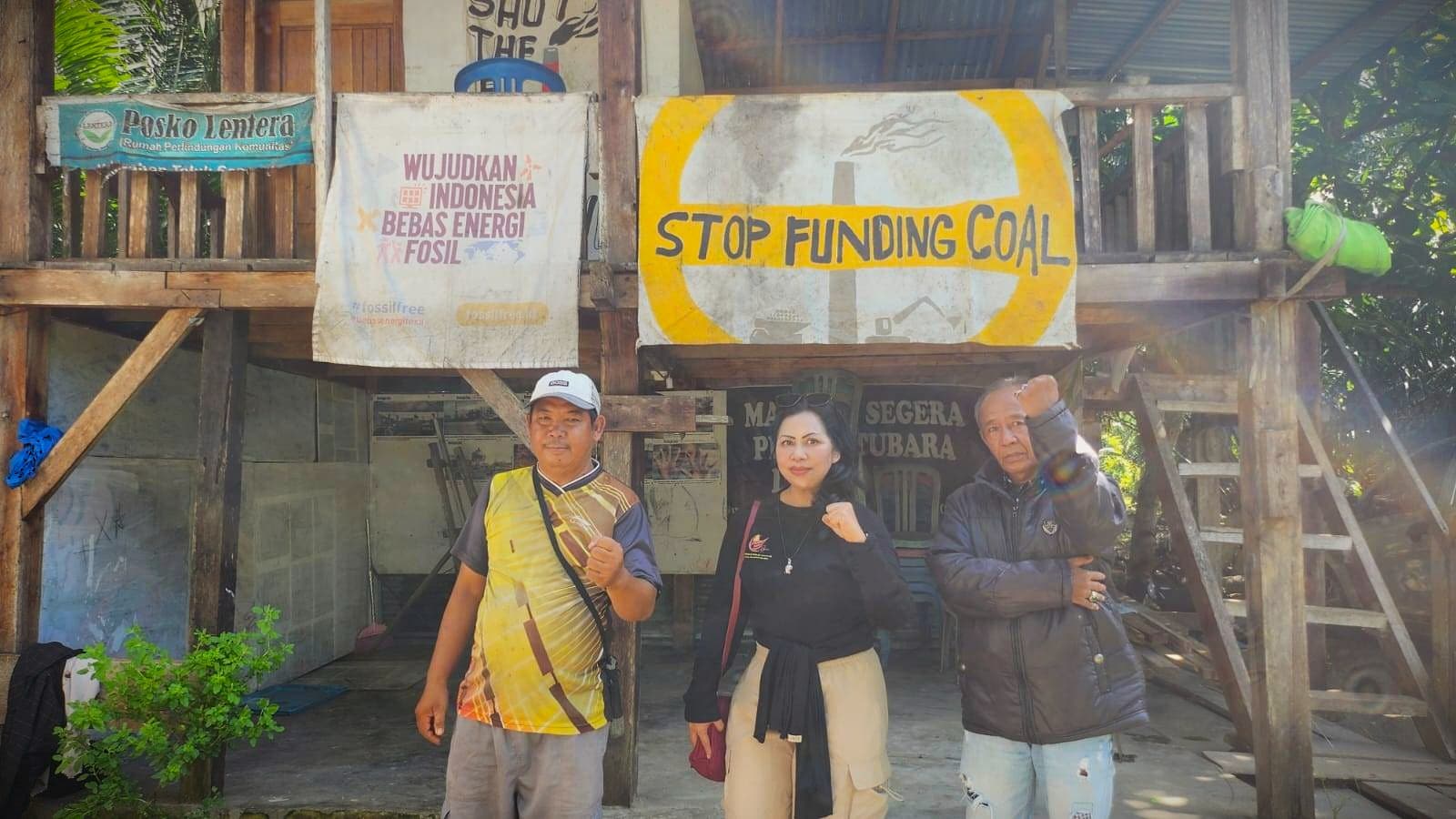
In Teluk Sepang, on Sumatra’s west coast, dozens of children are struggling to breathe. Fine, black ash from a nearby coal plant is slowly accumulating in their lungs, causing acute respiratory diseases.
According to data from the public health clinic, at least 72 children – including small babies – were diagnosed with acute respiratory infections last December. And this data only shows the tip of the iceberg, as many residents do not seek treatment. It is estimated that hundreds of people – among the 3,500 people living here – suffer from asthma, breathing difficulties, constant coughs and skin disorders.
The bay of Sepang Bengkulu, overlooking the Indian Ocean, is a precious ecological area. Rich in coral reefs and mangroves, it was once a key nesting site for sea turtles. But since the Chinese-funded Teluk Sepang coal plant started its operations in 2016, air and water pollution – stemming from poor management of coal ash and the discharge of hot water into the sea – has been destroying this sensitive ecosystem.
As most of the local residents are fisherfolk, pollution has also jeopardized their livelihoods. Fish catches have declined dramatically, forcing many to switch to casual labour work. Additionally, the high-voltage overhead power lines constructed by the company, which pass through residential areas in the village of Padang Kuas, have damaged electronic devices and equipment.
About the Teluk Sepang coal plant
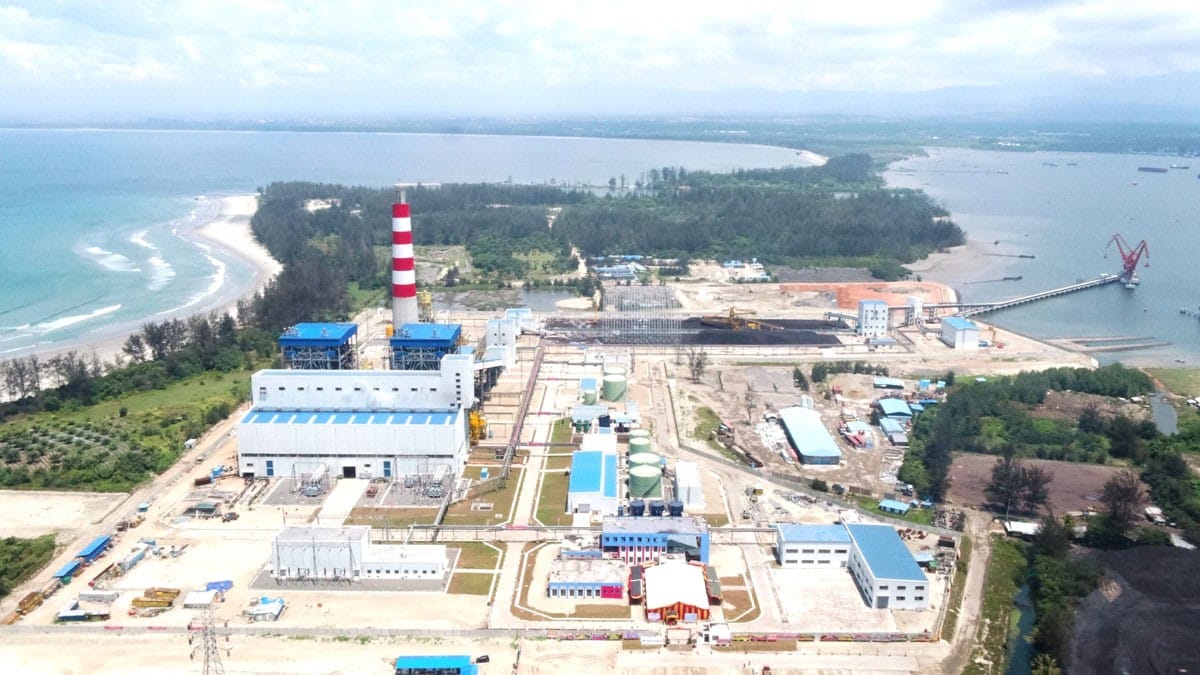
Courtesy of PT Tenaga Listrik Bengkulu
The Teluk Sepang coal plant was financed by Power Construction Corporation of China (PowerChina) in collaboration with Indonesian company PT Intraco Penta Tbk (INTA). It’s currently operated by PT Tenaga Listrik Bengkulu (owned 70 % by PowerChina and 30% by INTA), and it was built by Sinohydro, a subsidiary of PowerChina.
Local activists have been documenting the project’s impacts, showing how the company had failed to recognize and mitigate the project’s harmful impacts. In recent years, Indonesia’s environment ministry has also acknowledged these gaps and issued three separate sanctions against the coal plant’s operator, including a “red notice” for having dumped coal ash in a protected marine area off the Bengkulu coast. According to local activists, however, these sanctions are not being enforced. So far, the company and the investors have been escaping accountability.
Joining forces and exchanging learnings to hold economic actors accountable
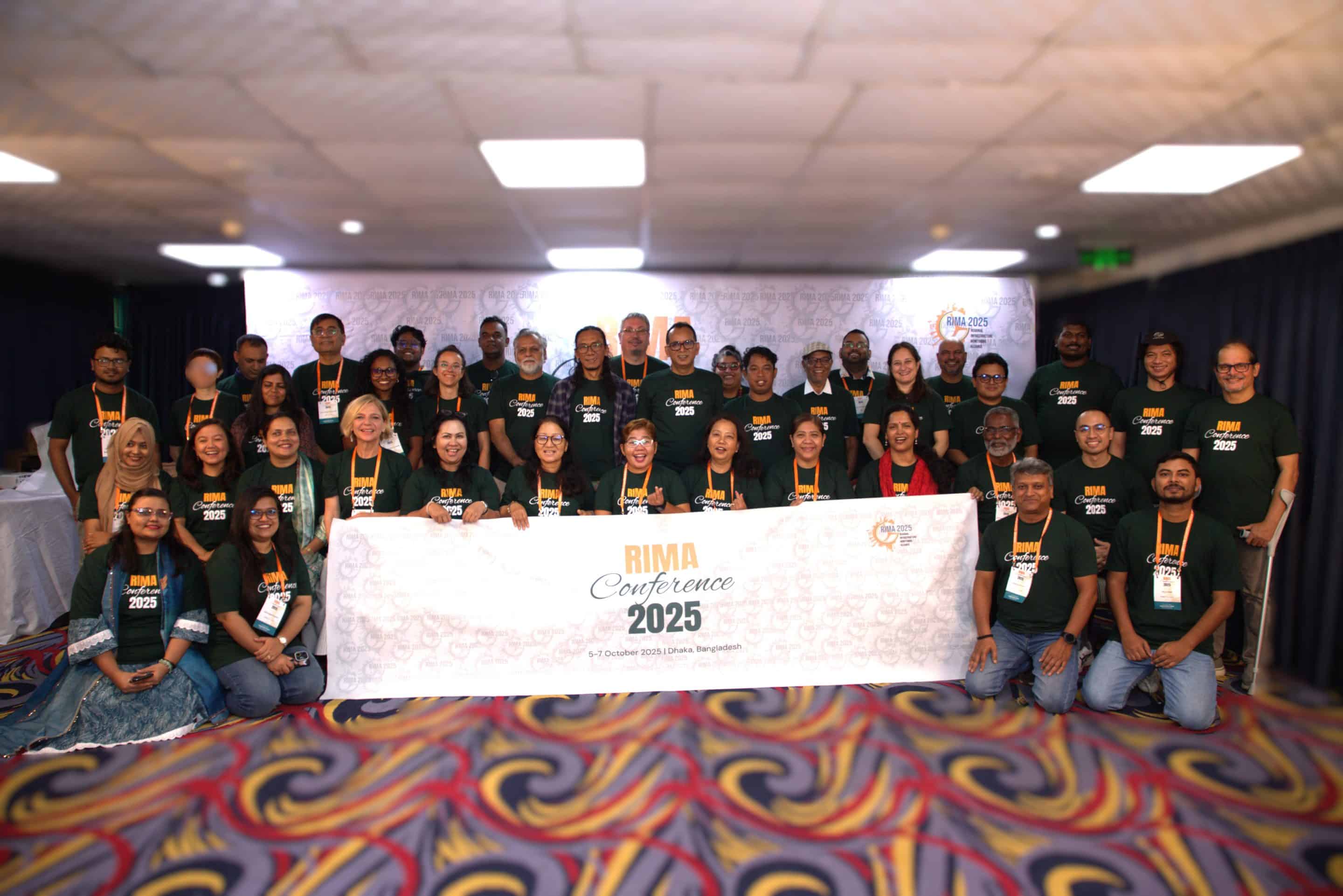
RIMA conference in Bangladesh (November 2025)
To support the community’s struggle, our civil society organizations – Inisiasi Masyarakat Adat (the Indigenous Peoples’ Initiative, IMA) and Kanopi Hijau Indonesia (Indonesian Green Canopy, KHI) – have been conducting research on the plant’s impacts and led advocacy efforts.
To strengthen our campaign and exchange knowledge with other activists, in October 2025 we attended the RIMA (Regional Infrastructure Monitoring Alliance) conference in Dhaka, Bangladesh. RIMA is an informal network focused on monitoring Chinese finance, particularly in the context of infrastructure projects, and advocating for environmental and human rights protection. One of its leading co-convenors is the German NGO Urgewald.
Around 37 activists, researchers and policy makers from across Asia joined the conference. They came from different countries – Bangladesh, India , Kazakhstan, Pakistan, China, Sri Lanka, Philippines and Indonesia – but they all shared the same commitment towards justice and human rights, and they all had inspiring stories and strategies of grassroots resistance to share. For example, the organization Coastal Livelihood and Environmental Action Network (CLEAN) from Bangladesh told us about their inspiring initiatives to enhance green energy, reduce poverty, and promote equality.
During the conference, organizers and convenors shared several effective strategies, including:
- The “follow the money” approach, which identifies and maps all actors involved, from banks to private investors.
- Conducting research to support evidence-based advocacy, such as calculating the true costs of fossil fuels and assessing health burdens, environmental degradation, land conflicts, and violations of local and Indigenous rights.
- Amplifying the voices of affected communities, bringing their demands to governments and investors, and pushing for meaningful consultations and dialogues.
This meeting was an important opportunity to exchange learnings and better understand the importance of gathering data that can be used in our advocacy efforts with the investors involved in the Teluk Sepang coal plant. Going forward, we will keep pressuring the government to assess the performance of the plant, to hold the company accountable for the project’s environmental impacts, and to demand a comprehensive environmental assessment. Another option could also be to seek the support of technical experts, to conduct direct research into the impacts of the project.
Is Indonesia ready to phase out coal?
The struggle of the community impacted by the Teluk Sepang coal plant is not an isolated case. Across Indonesia, communities impacted by coal-fired power plants have been demanding a life with dignity and respect for their rights. They want their children to breathe clean air, they want to keep fishing and farming, and they want to stay in the lands where they built their homes and their ancestors are buried.
Indonesia’s electricity supply is highly dependent on coal. According to a recent Guardian’s article, “more than 90% of Indonesia’s energy comes from fossil fuels; coal dominates, providing 70% of electricity, and the country remains the world’s largest exporter”.
The research report Toxic Twenty: Blacklist of the 20 Most Dangerous Coal-Fired Power Plants in Indonesia – published in November 2025 by the Centre for Research on Energy and Clean Air (CREA), Celios and Trend Asia – highlights the severe health, environmental, and economic impacts of continued coal dependence.
Coal plants are displacing Indigenous peoples, wreaking havoc on human health, threatening fragile ecosystems and biodiversity, polluting the sea and agricultural land, and destroying livelihoods. Marginalized groups (including farmers, fisherfolk, children, the elderly, and people with disabilities) bear the greatest burden.
According to the “Toxic Twenty” research, “Indonesia risks 156,000 premature deaths and USD 109 billion in economic losses from the cumulative operation of the country’s 20 most dangerous coal-fired power plants (CFPPs) through 2050”. The report also identifies foreign financiers behind Indonesia’s most hazardous coal plants, noting how Japan and China are the largest backers, followed by Indonesia and the United Kingdom.
In 2022, on the sidelines of the G20 Summit, the Indonesian government and its international partners signed the Just Energy Transition Partnership (JETP) agreement. A few months later, President Joko Widodo vowed to close all Indonesian coal plants by 2050. The Indonesian government is now targeting a renewable energy share of 19–21% by 2030, gradually increasing to 58–61% by 2060.
The Indonesian government has issued several regulations related to its fossil fuel phase-out plan. But are these regulations enough? So far, for coal-affected communities, the energy transition promises have brought no tangible change. Indonesia’ energy roadmap so far appears to merely stall for time, prolonging coal’s dominance for decades. This reveals a major contradiction: on one hand, the government proclaims its commitment to decarbonization and a net-zero target, while on the other hand it continues to normalize coal use far into the future.
From the local struggle to resist the Teluk Sepang plant and mitigate its worst impacts to the wider campaign to phase out coal, Indonesian communities and activists are continuing to speak out. The government and the companies, so far, are escaping responsibility. But the affected communities will continue speaking out until their demands are met.


