
By Penina Nailantei
Growing up in Narok, around the sacred Mount Suswa, I have witnessed first-hand the struggles that women and Indigenous communities face when it comes to land. For us, land is not just property — it is life. It carries our culture, our food, our livelihoods, and even our spirituality. Yet women, who are the backbone of families and the environment, are often left out of conversations on ownership and decision-making.
This is why I tell my story through a feminist lens: because justice for the land can never be achieved without justice for women.
On the slopes of Mount Suswa, communities have used their Indigenous knowledge to invent ways of capturing steam from the earth and turning it into water for domestic use. Women have been at the center of this knowledge system, ensuring that families survive in a dry landscape. But as big companies and government projects expand into these areas, we are reminded that development can easily become displacement if communities and women in particular, are not respected and included.
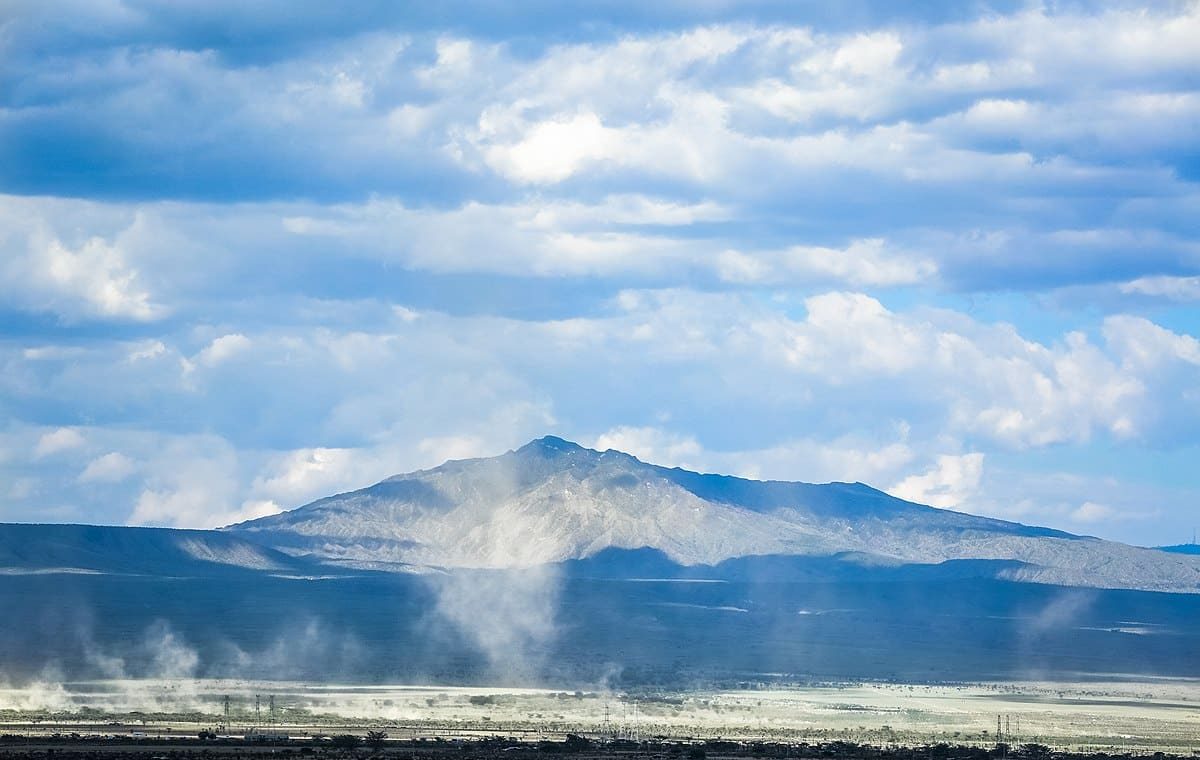
Mount Souswa, Kenya. Credit: Antony Trivet / Creative Commons Attribution-Share Alike 4.0 International license.
In September 2025, I attended the Ecofeminist Gathering in Johannesburg, South Africa, organized by Shine Collab. Attending this gathering gave me a different kind of strength. Sitting in a room with people from different parts of the world who face similar struggles showed me that we are not alone. Some communities shared practical solutions, others shared their resilience, but most importantly, there was togetherness. That spirit of solidarity gave me hope that change is possible and that our voices, especially women’s voices, can shape the future of energy and land governance.
For my community, energy is more than electricity. It is about survival,dignity, and fairness. It means schools that can run, hospitals that can serve, and homes that can be warm. But it must come in a way that respects our rights and identity.
That is why Free, Prior, and Informed Consent (FPIC) is so important — so that indigenous people, and particularly women, are not forced into choices, but are given the power to decide, participate, and benefit.
To me, justice is feminist. It means recognition. It means women being heard, respected, and treated as equal partners in shaping our future. Justice is not charity; it is about restoring dignity, protecting rights, and ensuring that development does not destroy the very communities it claims to uplift.
From Mount Suswa to South Africa, my story is one of struggle, but also of hope. And hope is the fire that keeps us moving forward.
About the blog’s author
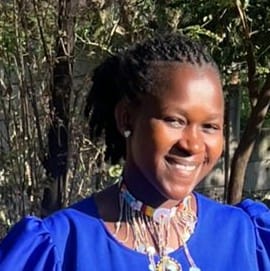 Penina Nailantei is a feminist and community leader from Narok, Kenya, working with Sotua Ang Community Based Organisation. She is passionate about defending Indigenous women’s rights, land, and climate justice. Through her advocacy, Penina amplifies the voices of women in rural and Indigenous communities, especially around Mount Suswa, where she supports the protection of land, culture, and indigenous knowledge systems. Her work focuses on energy justice, Free Prior and Informed Consent (FPIC), and women’s leadership in shaping sustainable futures.


