
In November 2025, South Africa will host the first G20 held in the African continent.
This report, released ahead of this historic opportunity, centers the voices of mining-affected communities and reveals how the current policy discussions – behind the slogans of shared prosperity and just energy transitions – are failing to meet the needs and aspirations of African communities, and are instead fueling violations and inequalities.
What’s inside?
- 3 case studies on the impacts of extraction of critical minerals on affected communities in DRC, Tanzania and Zimbabwe, as well as their strategies of resistance and the alternatives they are advocating for;
- overview of the G20 priorities and policy discussions around critical minerals and the just energy transition;
- a series of key recommendations.
Full Report
Case studies
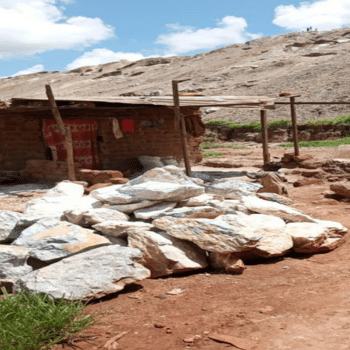
Ruashi, DRC: Resistance Ignited by Mine Blasts
In DRC, the Ruashi copper and cobalt mine has long been associated with serious social and environmental harm. Financed by Chinese development banks, the project has led to displacement, unsafe living conditions, and frequent health risks linked to pollution from mining waste. In nearby communities, residents recount accidents caused by collapsing waste rock piles and contaminated water sources, with little recourse or compensation from either the company or state authorities.

Buhera, Zimbabwe: Safeguarding Heritage Amid the Lithium Rush
In Zimbabwe, the Chinese-funded Sabi Star lithium mine in Buhera has drawn scrutiny over its social and environmental implications. The project forms part of Zimbabwe’s broader drive to attract foreign capital into its lithium sector. Yet, in Buhera, local communities report inadequate consultation and growing fears of land loss and environmental degradation, while enduring the trauma of cultural dislocation.

Ulanga, Tanzania: When Graphite Mining Threatens Livelihoods and Rights
In Tanzania, the Ulanga Graphite mine has raised deep concerns among local communities and civil society organisations. The project threatens to disrupt livelihoods dependent on farming and forest resources, with limited evidence of meaningful consultation or consent, and growing fear from threats and intimidation. Despite being promoted as a key contributor to global battery supply chains, the mine exemplifies how so-called green investments can reproduce extractive patterns that marginalise rural communities and place ecosystems at risk.
Key Recommendations
The experiences of Buhera, Ulanga, and Ruashi demonstrate that communities are not passive victims of extraction but active shapers of alternative futures. Their struggles and demands provide the moral compass for what a truly just energy transition could look like, one that values land, culture, and dignity as much as lithium, cobalt, or graphite. The G20 and its partners face a choice: to reproduce extractivism under a green banner, or to stand with communities in building development pathways that are equitable, accountable, and genuinely transformative.
- Alternatives to extraction must be brought into the centre of policy debates.
- The G20 should reframe its priorities on critical minerals to centre community rights rather than supply security.
- Development finance institutions and international corporations that support critical mineral projects must be held accountable to human rights and environmental standards.
- Benefit-sharing frameworks need to move beyond token compensation towards structural redistribution.
- African states and regional bodies should be supported in developing policies that protect sovereignty and prevent a race to the bottom in mineral governance.
You can read the full recommendations at page 38-39.

Poems