About the project
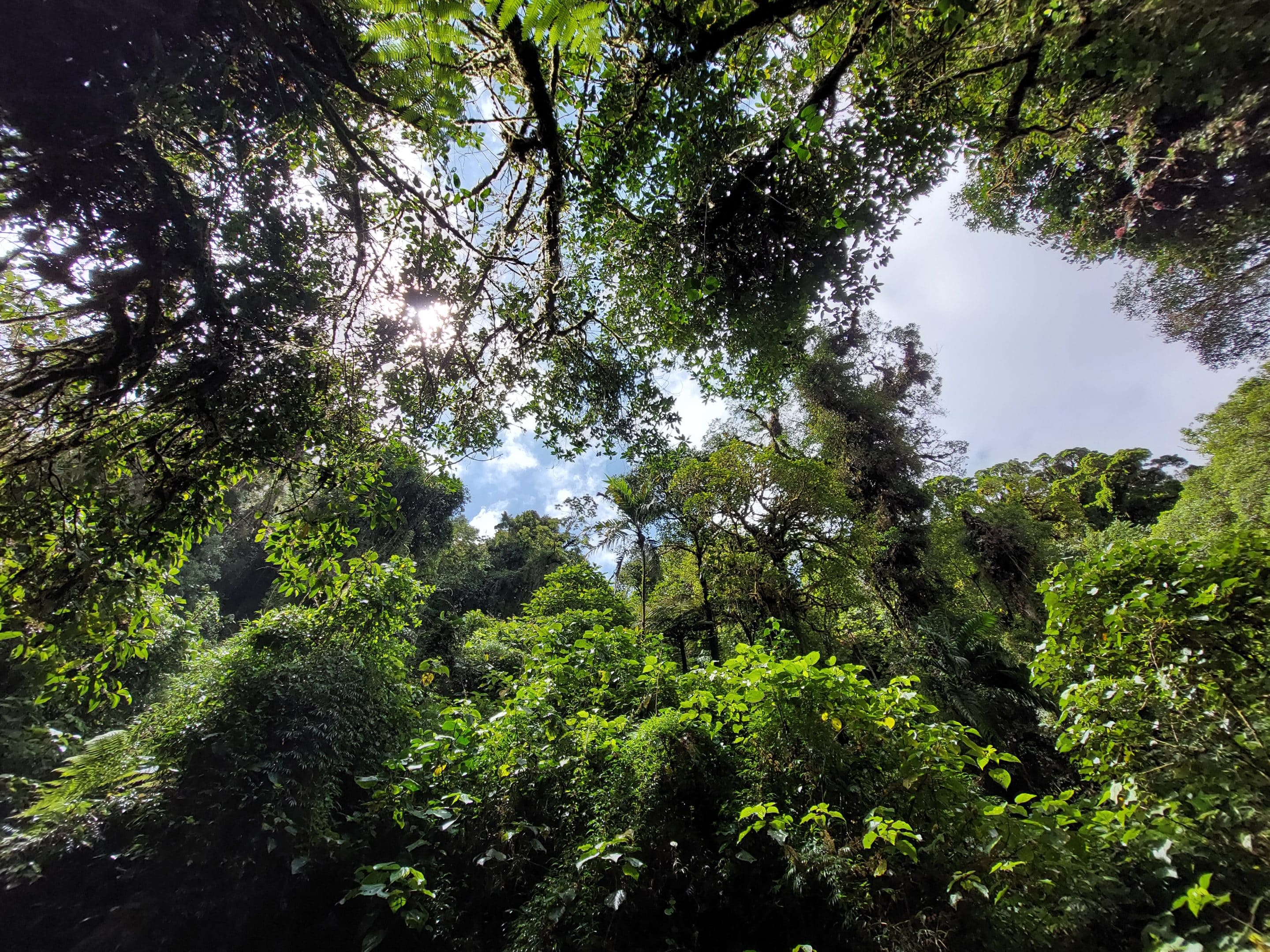
The Transmission Line IV is a major public-private partnership project infrastructure project, to be built along 330 kilometers of Panama’s Atlantic Coast. The project poses a threat to the Ngäbe and Buglé communities in the Kankintú district of the Ngäbe-Buglé Comarca and in northern Santa Fe, Veraguas province. It traverses their ancestral land and some of the last untouched rainforests in the country. The affected region is part of the Mesoamerican Biological Corridor, an area high in biological diversity. Additionally, it risks deepening social and environmental impacts by opening up the region to further development, from new roads to massive mining projects or dams.
The IFC, the private arm of the World Bank, is working with the state-owned Electric Transmission Company, SA (ETESA) to finance, construct, and operate the Fourth Transmission Line. In 2017, the IFC approved a $1.9 million dollars advisory service investment.
About the community-led struggle
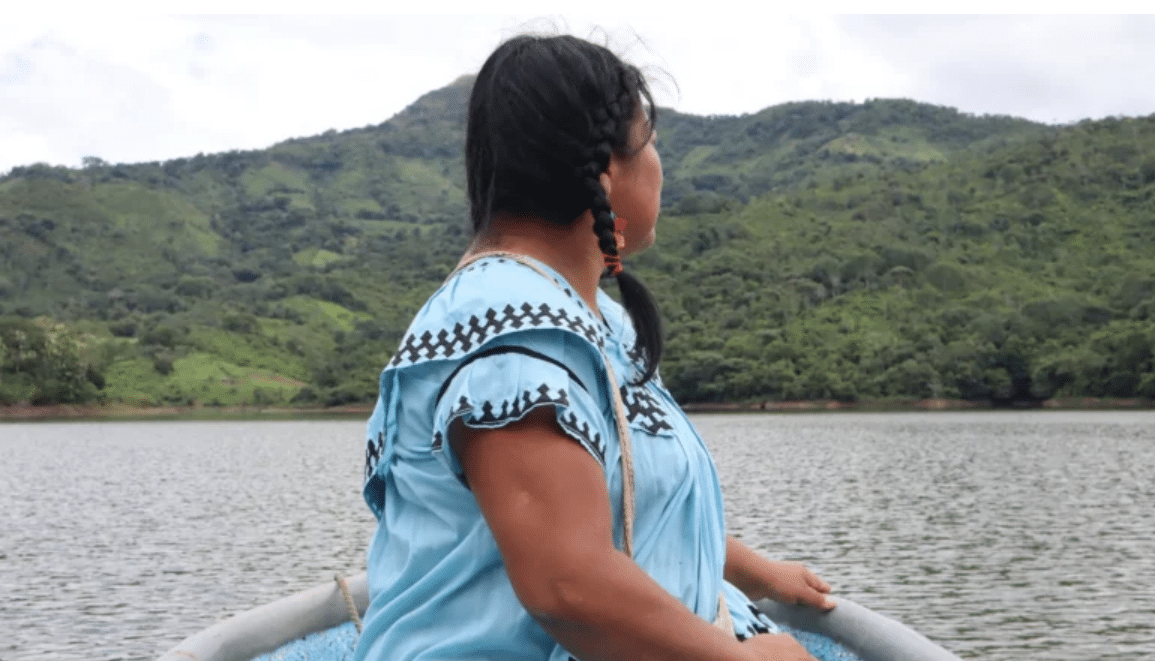
Since 2006, our CRE partner MODETEAB (Movement for the Defense of the Territories and Ecosystems of Bocas del Toro) has been defending territories from illegal land grabbing, environmental destruction, and harmful megaprojects that threaten their way of life. They have been empowering Indigenous and rural communities, supporting human rights defenders during protests and advocacy meetings, raising awareness about Indigenous People’s rights and the impacts of harmful projects, documenting abuses and advocating for local communities’ rights in international fora (including the Inter-American Human Rights System).
In 2018, with the support of our Coalition’s member CIEL, MODETEAB filed a complaint at the independent accountability mechanism for the IFC, the Compliance Advisor Ombudsman (CAO). The CAO report found that the IFC violated its own sustainability policy: as CIEL writes, it made clear “that the community had not been properly consulted about the project, and that the State-owned company must secure the consent of impacted Indigenous communities before construction proceeds”. In June 2022, in response to CAO’s investigation, the IFC Board approved IFC’s Management Action Plan (MAP) (available in English and Spanish), outlining a series of areas of improvement related to CAO’s recommendations. As part of this plan, the President of the World Bank and the IFC’s Regional VP spoke to Panamanian government representatives and the management of State-owned Empresa de Transmision Electrica (ETESA) about the need to carry out the free, prior and informed consent process.
MODETEAB has also raise this case with the United Nations Human Rights Council as part of the Universal Periodic Review (UPR), the Inter-American Court of Human Rights, and two UN treaty bodies: the Committee on Economic, Social, and Cultural Rights (CESCR) and the UN Human Rights Committee (CCPR). As a result, in 2023 MODETEAB’s testimonies led to statements from UN bodies warning that Panama is failing to respect Indigenous Peoples’ rights in the context of development projects such as Line IV.