

About the project
Mount Suswa is a volcanic mountain and double caldera containing lava caves, fumaroles and other evidence of geothermal activity. The state-owned Geothermal Development Company (GDC) began detailed surface studies before 2013 and obtained an environmental licence for exploration.
GDC envisages developing the resource in phases. Kenya’s Public Private Partnerships Directorate approved the project concept in March 2026, allowing it to proceed to a formal feasibility study. The current proposal anticipates an initial phase of between 50 and 100 megawatts, followed by development of up to 300 megawatts.
Large-scale drilling and power-plant construction have not yet begun. This gives affected communities an important opportunity to influence decisions about land access, well locations, roads, pipelines, transmission infrastructure and cultural sites before harm occurs.
In 2023, GDC announced a possible partnership with Indonesia’s PT Pertamina Geothermal Energy and the United Arab Emirates’ Masdar. Public statements suggested an investment of US$1–1.2 billion, but these figures did not represent committed finance. Pertamina withdrew in early 2026 after determining that the expected returns did not meet its investment criteria. GDC is continuing with the feasibility process and may seek other private partners.
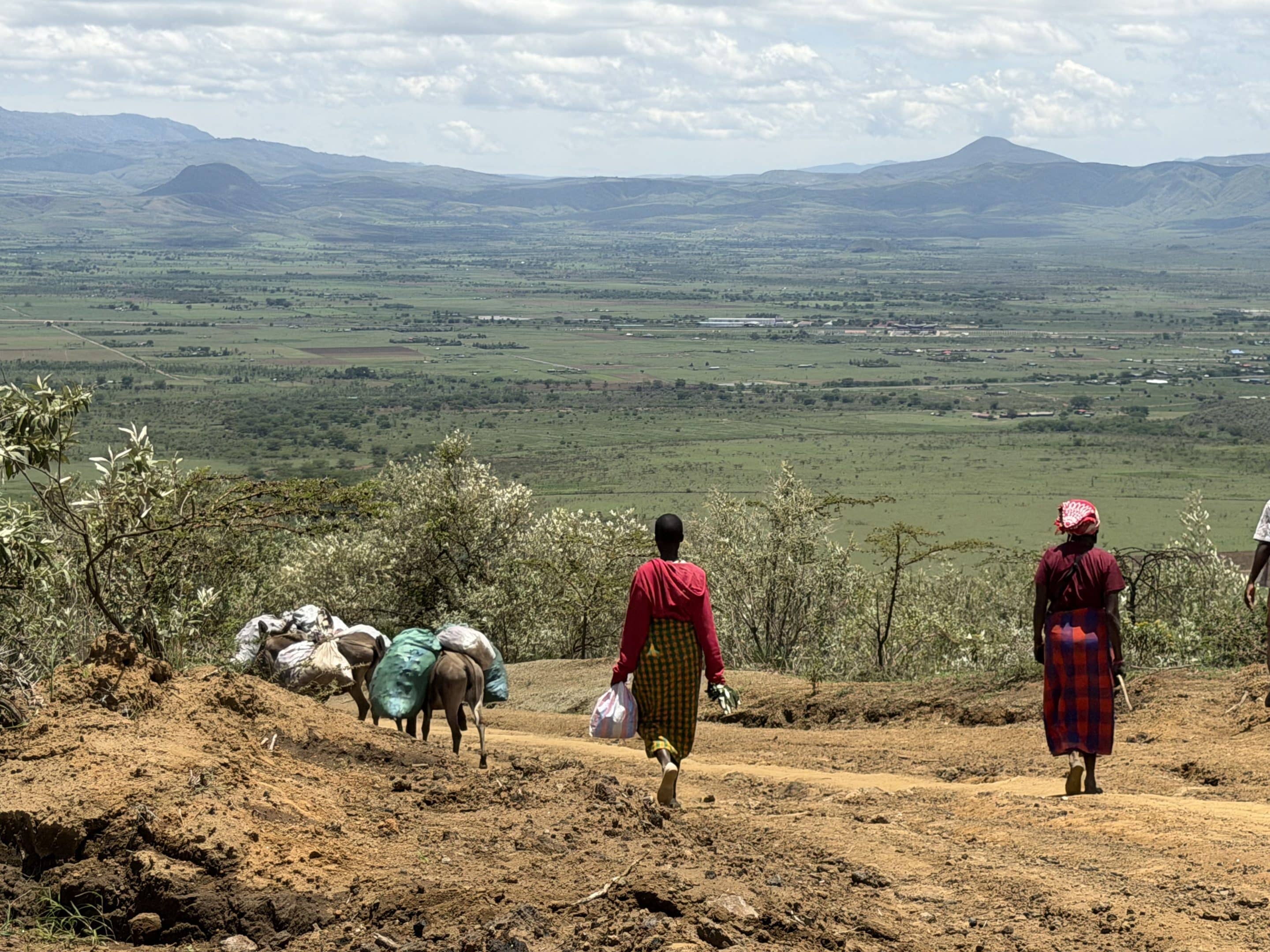
The project area is primarily inhabited by Maasai communities whose livelihoods combine livestock keeping, seasonal farming, beadwork, tourism and small businesses. Land sustains grazing, family relationships, cultural authority, spiritual practice and intergenerational knowledge. Roads, wells, pipelines and safety zones could divide grazing areas and restrict livestock movement even without formally resettling every household.
The Mount Suswa caves are especially important. They are used for prayer, ritual, tourism and other cultural practices. Residents fear that drilling, vibration or altered underground pressure could damage them. Although available evidence does not establish that drilling will cause cave collapse, independent geological and cultural-heritage assessments are needed before well locations are approved.
Water is another central concern. Mount Suswa is dry, and some families place pipes over natural steam vents to condense steam into water for household use. These locally managed systems provide a direct use of geothermal resources without industrial generation. Communities fear that drilling could redirect steam, reduce pressure or place collection sites within restricted project areas. Existing vents and their users should therefore be documented before exploration advances.
Residents have also learned from communities affected by geothermal development at Olkaria and Menengai. They anticipate possible noise, hydrogen sulphide emissions, dust, odours, tremors, water pollution and harm to livestock and vegetation. These remain anticipated risks rather than established impacts at Suswa. Baseline monitoring is essential if future environmental and health changes are to be identified.
Residents describe participation to date as shallow and inconsistent. Some attended meetings without receiving accessible information about the project’s footprint, risks, ownership or financing. They fear that attendance registers could later be presented as evidence of agreement. Meaningful participation requires information in Maa and other locally understood languages, time for independent community deliberation, and records that distinguish attendance from consent.
Women face particular exclusion because men are often treated as household or customary representatives. Yet women depend directly upon water, livestock products, farming, beadwork and cultural sites. They may carry the consequences of land and water loss while remaining absent from consultation and compensation decisions.
About the community-led struggle
Sotua Ang’ is a women-led community-based organisation established in 2023. It works with Maasai communities around Mount Suswa to strengthen awareness of land, environmental, cultural and participation rights. The organisation helps residents obtain project information and document grazing areas, steam-water systems, sacred caves, tourism activities and women’s livelihoods that conventional assessments may overlook.
Women’s organising is central to its work. Sotua Ang’ creates spaces where women can receive information directly, ask questions and define priorities instead of relying upon male representatives. It is also building links with lawyers, researchers, human-rights organisations and communities affected by other Kenyan geothermal projects.
Community demands include free, prior and informed consent; independent assessment of caves and underground structures; protection of sacred places and steam-harvesting systems; and legally secure protection for land, water and grazing routes. Compensation based only on individual well sites would not address fragmented pasture or disruption to the pastoral system.
Alternatives are already present. The community-managed Mount Suswa Conservancy supports hiking, camping, cave visits, guiding and cultural tourism, while pastoralism and farming sustain livelihoods adapted to the dry Rift Valley. The steam-condensation systems are another locally designed use of geothermal heat.
Sotua Ang’ and affected residents are not necessarily rejecting all geothermal development. They are insisting that national energy goals cannot automatically override Indigenous land, water and cultural rights. Suswa is therefore an important preventative case: organising before construction may still change the project’s location, scale and design, while protecting places that communities consider too important to sacrifice.
Further resources