

By Suhayla Bazbaz, Executive Director, Cohesión Comunitaria e Innovación Social A.C.
The Coalition for Human Rights in Development turns 10. But what it has contributed in terms of connection, dialogue, and action goes far beyond that. Cohesión Comunitaria e Innovación Social A.C. (CCIS) officially joined the Coalition in September 2024. But since August 2017, we had already been involved in Mexico in the Community-Led Development with a Gender Perspective Movement. And based on our own approach, principles, and ethics, since our founding fifteen years ago, we have known that people, groups, and communities must be at the center of development—not as passive recipients of others’ decisions, but as active subjects with rights, agency, and the power to define their own development priorities and their vision of what development means and entails. That is why encountering the Coalition was so energizing.
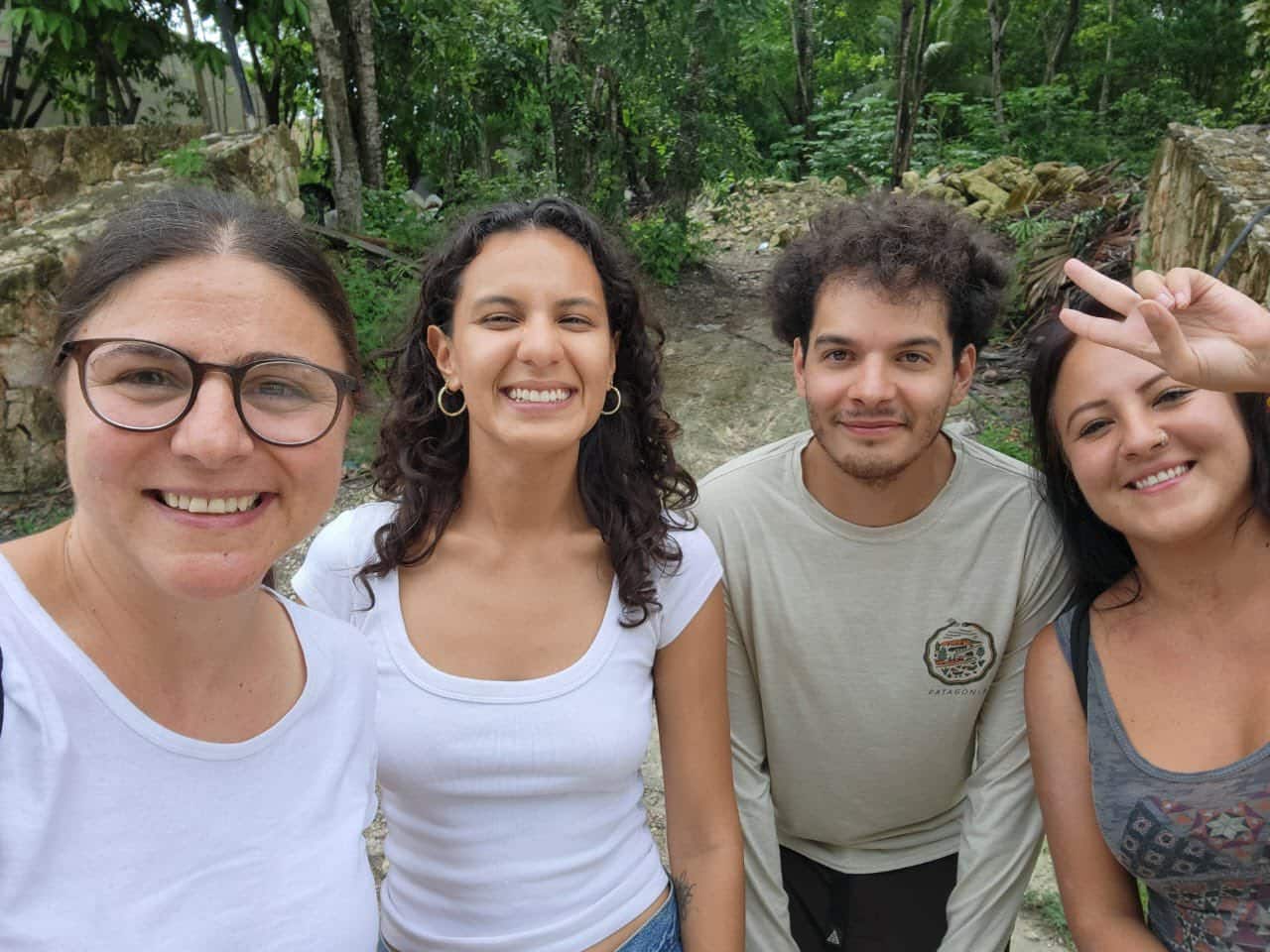
The CCIS team
The first Coalition member I met was Ivahanna, through the Civil Society IDB Working Group. I later met Lorena, Mark, and Hisham in Tbilisi, Georgia, at the Defenders in Development Campaign convening, where we shared experiences and learning from our initiative #QueSepanQueSabemos (“Let Them Know We Know”). I also met Dalile there, and stayed in touch because she supported our campaign ¿A qué vinieron? (“Why Did They Come?”) on the military’s role in megaprojects and their implications for daily life and human rights. Later, I met Claudia through the work we’re doing on just energy transition, and then Daniela at the 2025 IDB Annual Meeting. I share these connections because the Coalition is made up of professional, competent, empathetic, and deeply human people. It’s rare to find an organization that truly walks its talk—one that co-creates not only with civil society organizations but also with communities, collectives, movements, and networks from different continents. The Coalition is genuinely committed to reversing power asymmetries between the Global South and the Global North, and to facilitating and nurturing knowledge dialogues.
The Coalition team brings strategic vision, clear outcomes, and the ability to lead and facilitate processes. These are qualities they have consistently contributed to collective work—not only among Coalition members but also in the various broader spaces they participate in.
The main challenges facing those of us in the Coalition relate to the development model tied to climate change and the crossing of planetary boundaries; to various types of war, conflict, and genocide; to the shrinking or closure of civic space; and to the stigmatization and criminalization of human rights defenders. In Mexico, we also face increasing militarization and corporatization in the execution of so-called strategic or priority megaprojects. Across the different regions where Coalition members live, these phenomena do not deter investments by financial institutions. These institutions should be using their influence and leverage to ensure that countries and companies help create and maintain an enabling and safe environment for the exercise of human rights—and to sustain and nurture diverse forms of life and the contributions of nature to both human and non-human beings.
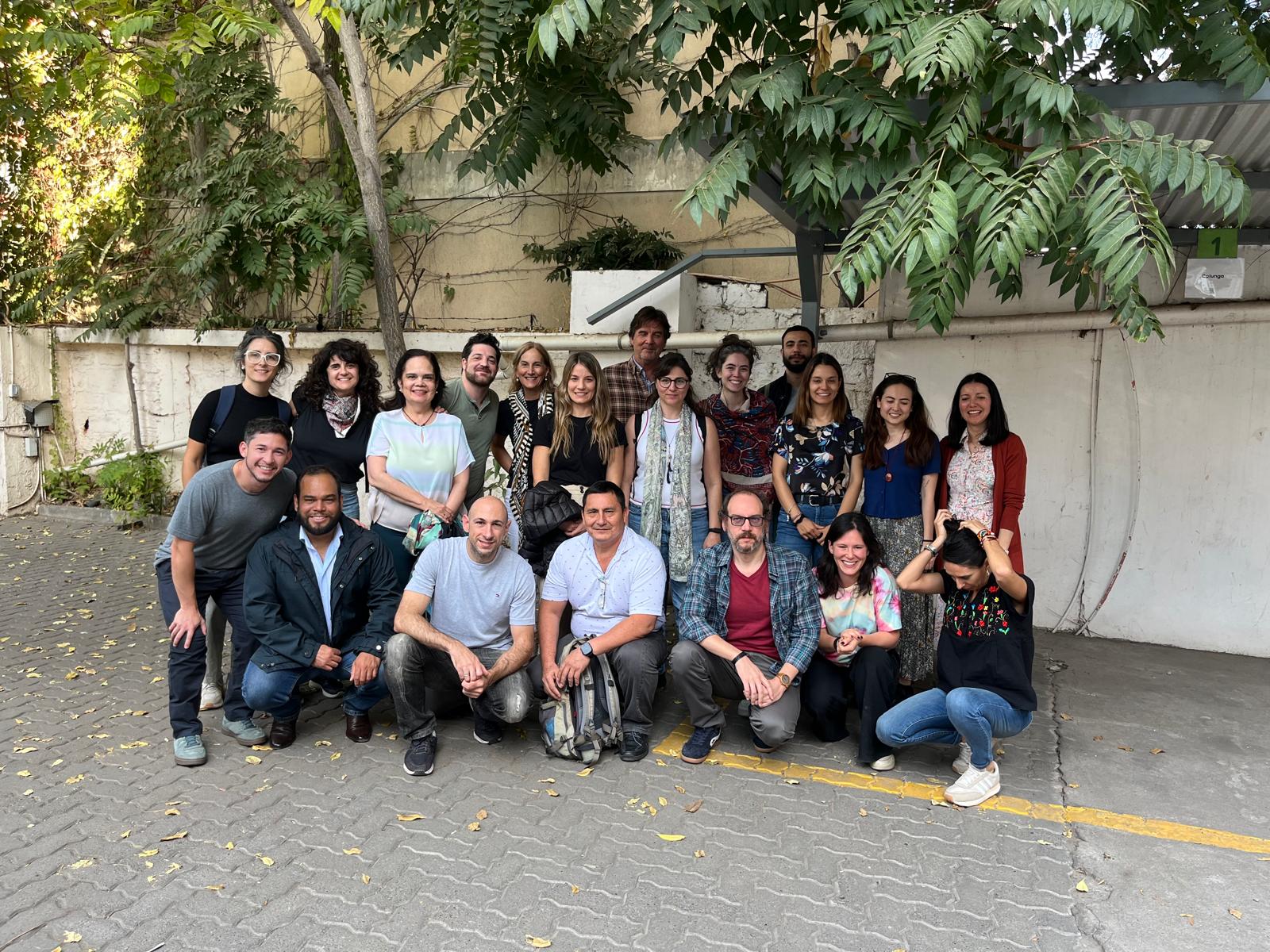
Working Group on IDB meeting, Santiago, Chile (March 2025)
Nonetheless, we have witnessed and accompanied the strength, creativity, conviction, and vital energy of those living in and moving through these territories—people who bring visibility to problems, design and implement solutions, demand accountability, and build ways of re-existing despite multiple overlapping crises.
We need to work with rigor and methodological, analytical, conceptual, and practical soundness. We also need to learn how to incorporate knowledge, lived experiences, emotions, sensations, stories, and imagination—so that everyone can be who they want to be and live the life they wish to live.
That is why we need idealism to envision another reality and realism to change this one. And within the Coalition, it is possible to walk and learn alongside peers who have achieved that balance.