

This blog was written by our CRE partner Nukila Evanty, Executive Director of Inisiasi Masyarakat Adat (IMA), after attending the 2026 WEHRD Summit. The gathering was organized by Aksi! for Gender, Social, and Ecological Justice , together with the Coalition for Human Rights in Development and several other members and partners: Asia Pacific Forum on Women, Law and Development (APWLD); Climate Watch Thailand; Indonesian Legal Aid Foundation (YLBHI); International Accountability Project (IAP); International Network for Economic, Social and Cultural Rights (ESCR-Net); Komnas Perempuan; NGO Forum on ADB; and WALHI (Indonesian Forum for Environment).
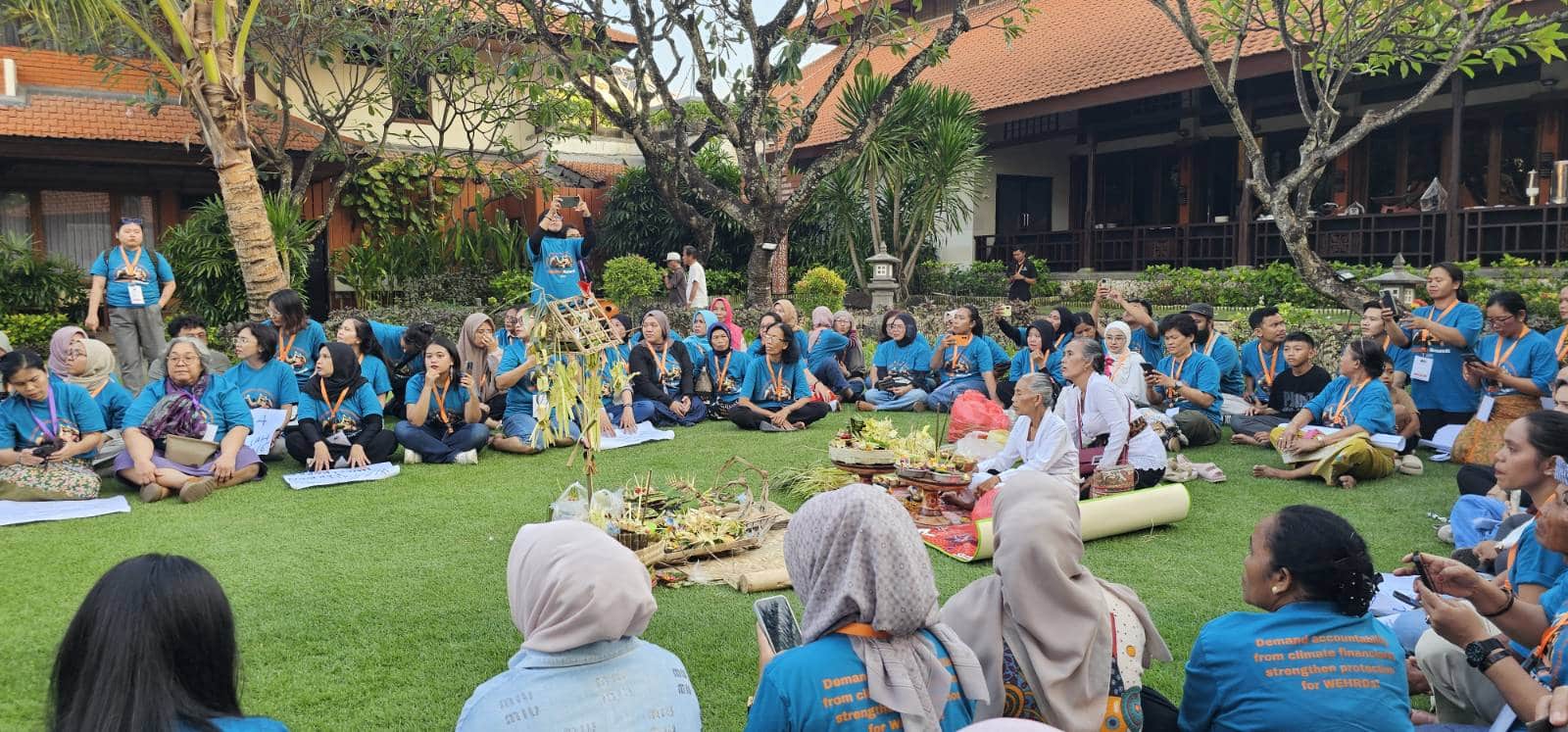
From 4-6 June 2026, approximately 150 women human rights defenders and their allies gathered in Bali, Indonesia, for the Women Environmental Human Rights Defenders (WEHRD) Summit, under the overarching theme of «Protecting Women Human Rights and Environmental Defenders in the Midst of Low-Emission Economic and Energy Transitions”. The summit, whose main slogan was “Demanding Accountability and Strengthening Protection», offered a precious opportunity to share experiences, learn from each other, and strengthen women’s solidarity.
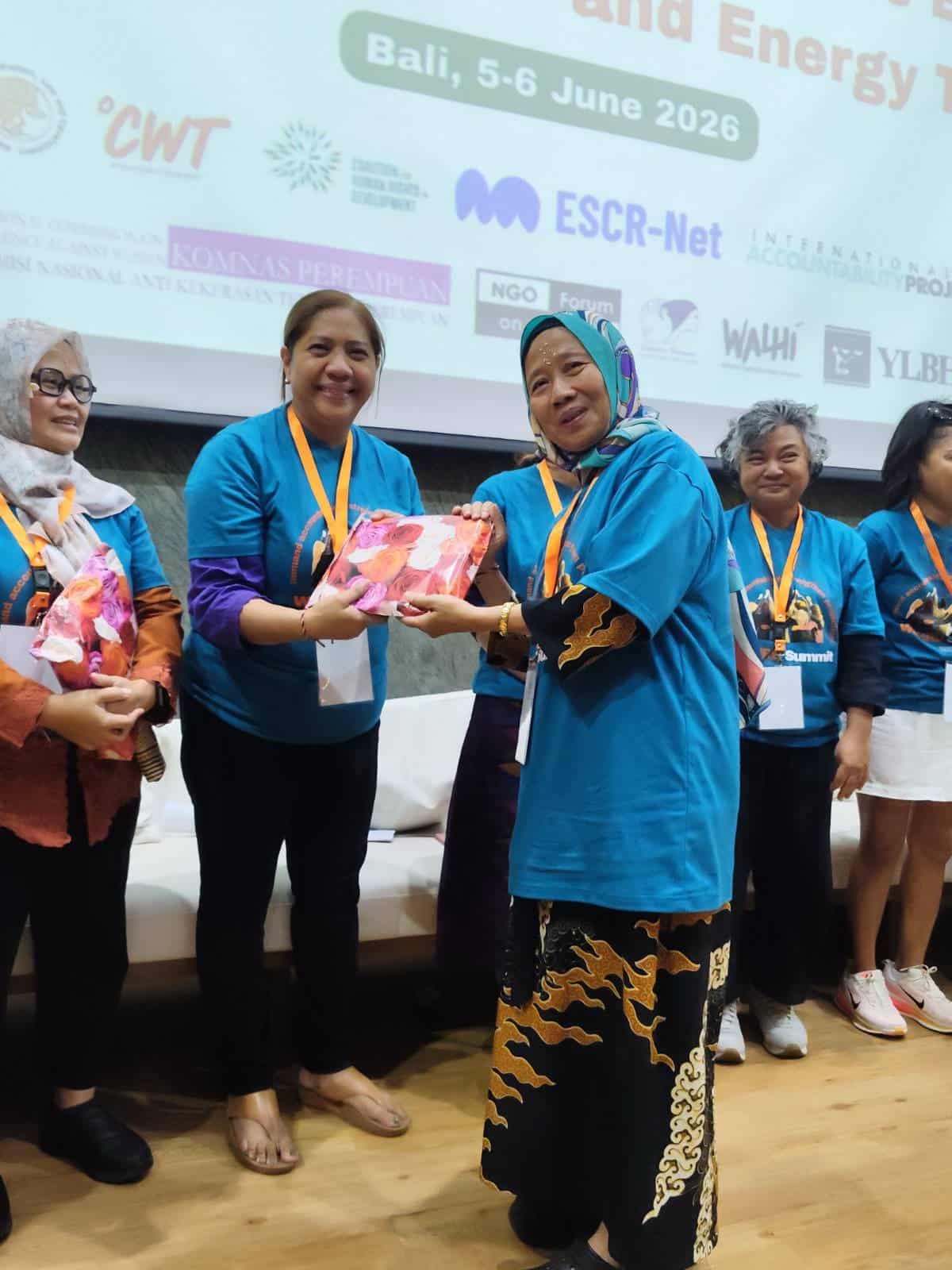 Though most participants came from various regions across Indonesia, from Aceh to Papua, allies also came from Myanmar, Cambodia, Thailand, and the Philippines. The Summit began with an opening ritual to ensure the event would run smoothly and safely. It was led by Papuan women, who have been facing militarization of their province and have been fighting for their right to self-determination. This was followed by a string of women human rights defenders who shared about their struggles in asserting their rights in the midst of extractivist projects, all coming from different islands and provinces of Indonesia. It was wonderful to meet women with diverse backgrounds and experiences: it created a sense of not being alone in our struggles and of supporting each other.
Together with other environmental defenders from Indonesian CSOs (IMA, BAKUMSU, WALHI East Nusa Tenggara, Jaringan JAGA DECA and Yayasan Srikandi Lestari), in our panel on “Protection and Advocacy of Human Rights Defenders in the context of development financing and international investments” we shared our experiences advocating against detrimental development projects, including some that are being designed as national strategic projects and that are leading to heavy militarization of some areas. These include the Ulumbu geothermal project in East Nusa Tenggara (NTT), the Pangkalan Susu coal-fired power plant in North Sumatra, the zinc and lead mine in North Sumatra, and the nickel mining part of the Indonesia Morowali Industrial Park (PT IMIP) in Central Sulawesi.
These projects are disproportionately impacting women, children, and other marginalized groups. The stories shared by WHRDs at the Forum showed that many women human rights defenders and their communities are facing severe and escalating risks, including gender-based violence, online harassment, and judicial harassment, amid energy and infrastructure projects undertaken in the name of development.
In the panel, we also discussed the different strategies we are using and the challenges we are facing. For example, Bakumsu representatives explained how they won a court case against an extractive company in North Sumatra. In a landmark case, the Supreme Court ruled to revoke the environmental permit granted to the Dairi Prima Mineral zinc and lead mine. However, the company then obtained a permit from the Indonesian Ministry of Environment.
Walhi NTT spoke about the tensions and clashes in the communities impacted by geothermal projects. Local residents are particularly concerned about violations to their customary land rights, pollution of water sources, and reduced agricultural yields due to gas exposure.
Fatrisia Ain from Jaringan JAGA DECA spoke about the impacts of the exploitation of nickel mining industry, including violations of workers’ rights and the harm suffered by farmers, fisherfolks and indigenous communities in the Bahodopi subdistrict, Central Sulawesi.
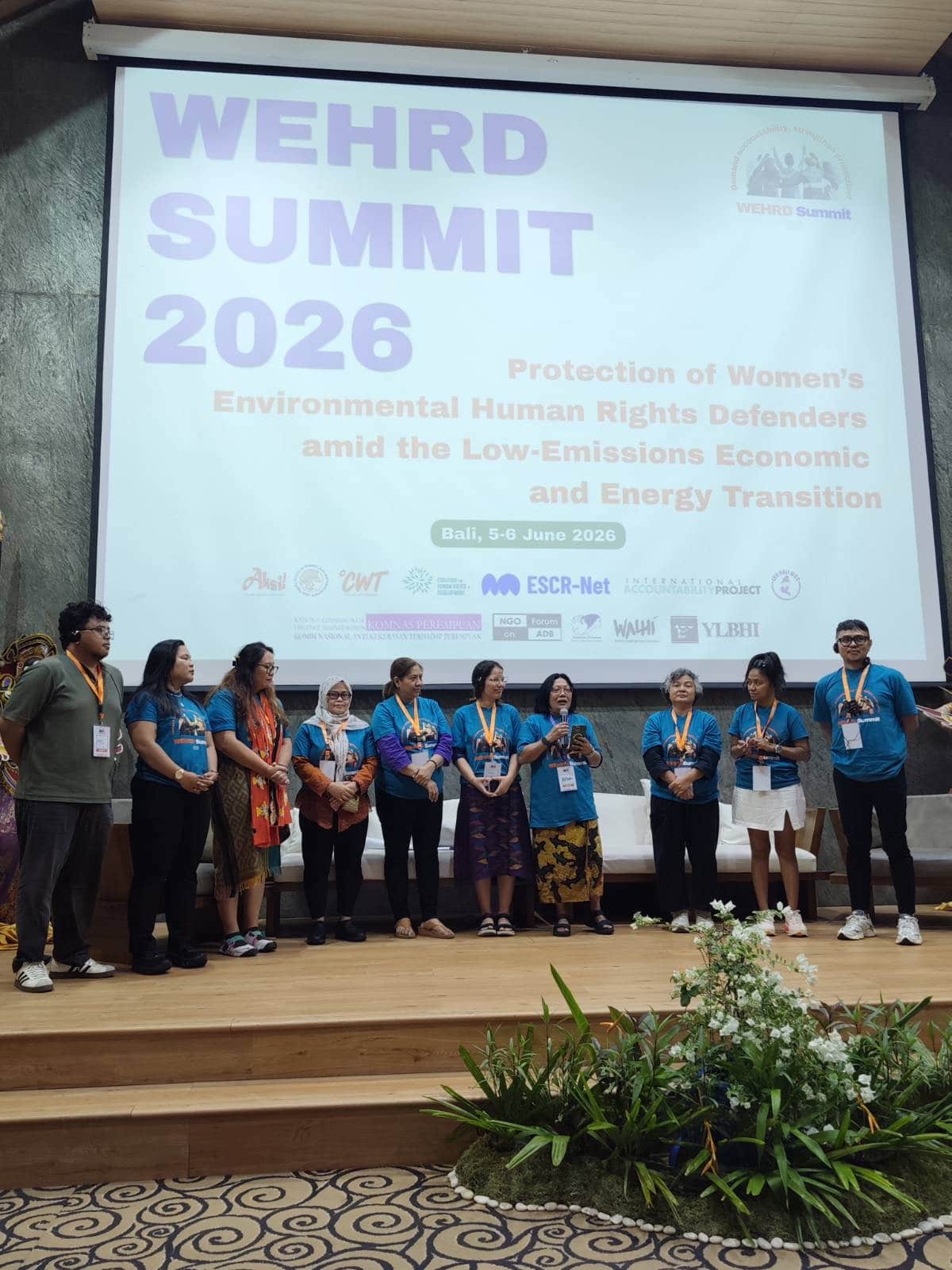 Finally, Yayasan Srikandi Lestari discussed their efforts to protect local communities that have long endured health issues, such as respiratory problems, itching, skin irritations and cancer, likely due to heavy exposure to ash and pollution from coal operations in the area.
In other panels during the Summit, participants also shared their experiences in seeking accountability from investors such as the Asian Development Bank (ADB) and advocacy opportunities through leveraging state auxiliary organizations, such as the National Commission on Violence Against Women (Komnas Perempuan), the National Commission on Human Rights (Komnas HAM), the Witness and Victim Protection Agency (LPSK), and the Ombudsman. Other strategies discussed included documentation, taking cases to court, and advocacy with UN institutions and UN Special Rapporteurs. Since the accountability of multiple parties for negative impacts is inadequate, understanding the accountability mechanisms of development projects is essential, including the responsibilities of investors.
The WHRD Summit showed us that protecting women human rights defenders requires sustained collective action, stronger accountability from governments, investors, and corporations, and continued collaboration and exchange. The Summit helped us create connections, build solidarity among women human rights defenders, and find new inspiration to continue our collective struggle for land, water, and climate justice.