

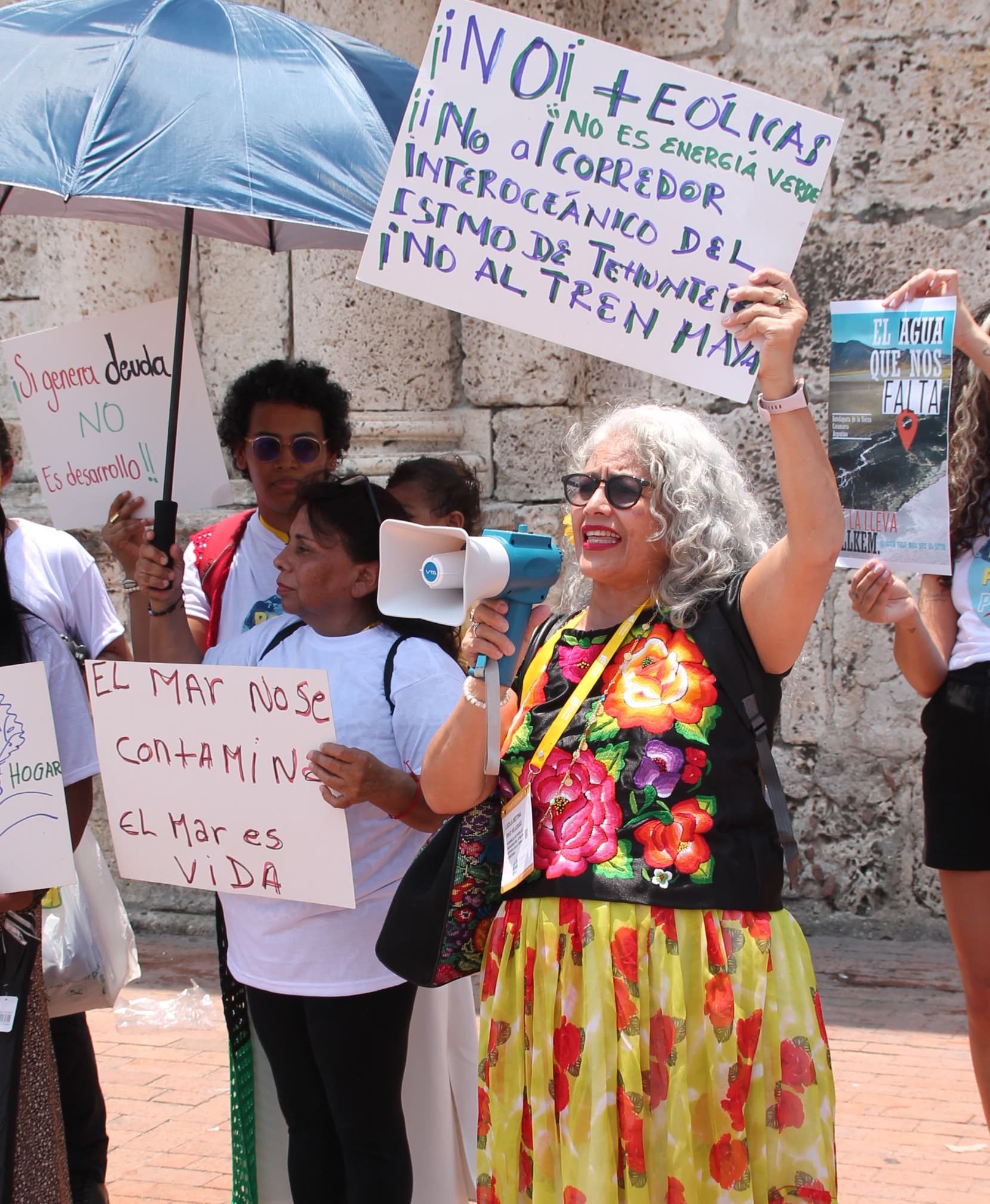
Un enfoque liderado por las comunidades para la transición energética justa
En todo el mundo estamos enfrentando las consecuencias dramáticas del cambio climático originado en la era industrial (desde sequías extremas hasta inundaciones y olas de calor), que están desplazando a comunidades, destruyendo sus medios de vida y amenazando los ecosistemas.
Para mitigar y evitar los peores efectos del cambio climático, líderes mundiales y responsables de políticas públicas han llamado a realizar transformaciones estructurales profundas y avanzar hacia una “transición energética justa”. Países e instituciones de todo el planeta están ampliando soluciones de energía renovable y de bajas emisiones de carbono, al tiempo que eliminan gradualmente los combustibles fósiles. Sin embargo, detrás de los eslóganes sobre “finanzas climáticas”, “crecimiento verde” y “sostenibilidad”, el enfoque actual de la transición energética justa está plagado de contradicciones, ya que se ha utilizado como cortina de humo para continuar impulsando un modelo neoliberal y extractivista.
Los bancos públicos de desarrollo están promoviendo proyectos a gran escala y falsas soluciones — como el hidrógeno verde, la geotermia o las plantas nucleares — que no son ni verdes ni sostenibles, ya que vulneran derechos humanos y contribuyen a la degradación ambiental. Con frecuencia, en lugar de abordar las causas estructurales del cambio climático, estos proyectos terminan agravando problemas existentes. Y las comunidades del Sur Global, pese a ser las menos responsables de la crisis climática, están siendo desproporcionadamente afectadas tanto por sus impactos como por la carrera hacia proyectos renovables a gran escala o falsas soluciones.
Por ello, nuestras organizaciones miembro y aliadas abogan por un enfoque de transición energética justa y transformación económica liderado por las comunidades, que reconozca a las comunidades como actores clave en la toma de decisiones — con las mujeres y los pueblos indígenas al frente — y que sitúe sus conocimientos y prioridades en el centro de las políticas energéticas globales.
Además, muchas comunidades en África y en el Sur Global carecen de acceso a energía segura y sostenible; por lo tanto, cualquier trabajo sobre “transiciones” energéticas justas debe priorizar el acceso a energía confiable, asequible, digna y equitativa, especialmente para las comunidades más marginadas.
To mitigate and avoid the worst effects of climate change, world leaders and policymakers have called for profound structural transformations and a “just energy transition”. Countries and institutions across the globe are now scaling up renewable and low-carbon energy solutions, while phasing out fossil fuels. But behind the slogans about «climate finance», “green growth” and “sustainability”, the current approach to the just energy transition is marred with contradictions, as it has been used as a smokescreen to keep pursuing a neoliberal and extractivist approach.
Historias y actualizaciones
De cara a la COP17, los bancos de desarrollo deben abordar el papel de la minería en la aceleración de la desertificación.
From conflicts to peace and prosperity: how community-led development can transform resource-rich countries

Civil society groups call on EIB not to fund the Reko Diq mine in Balochistan, Pakistan
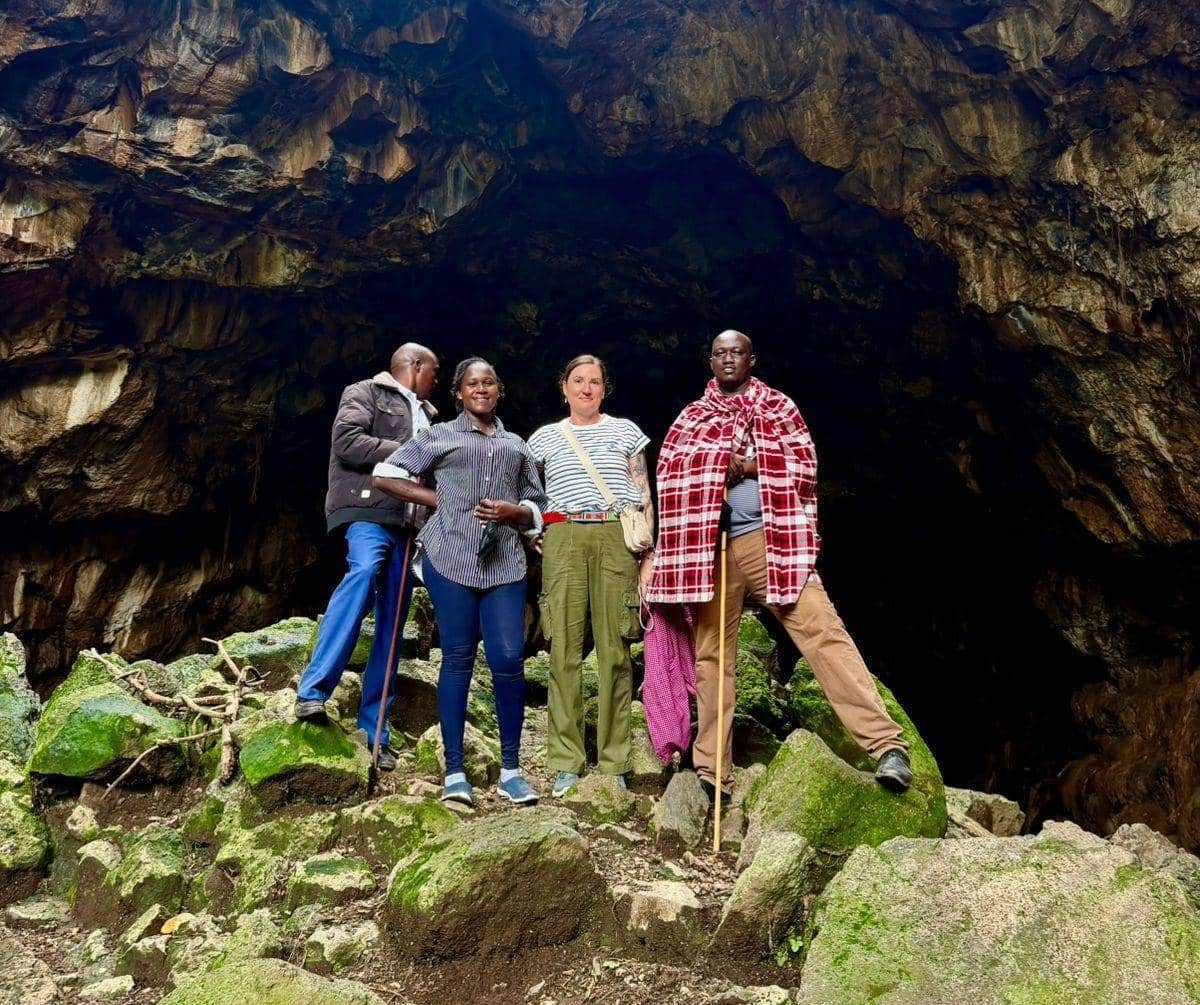
Women who refused silence:feminist leadership on Kenya’s geothermal frontier

The EIB should think twice before funding the Rogun dam in Tajikistan
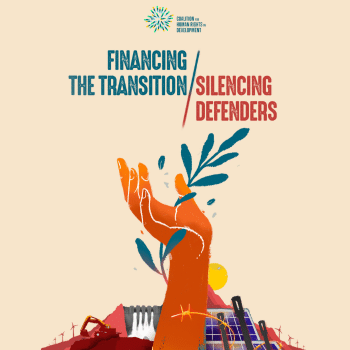
New report out: Financing the Transition, Silencing Defenders

AfDB’s Role in Kenya’sGeothermal Expansion

A recipe for disaster:the Reko diq copper mine in Balochistan, Pakistan
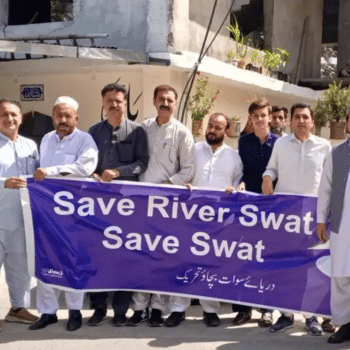
Pakistan’s Indigenous Torwali people are fighting to save the Swat River

Centering Community Voices in Just Energy Development: Reflections on the 2026 Alternative Mining Indaba

ADB’s New Approach to Mining Risks Fueling Conflict

The future we want: voices from African mining-affected communities
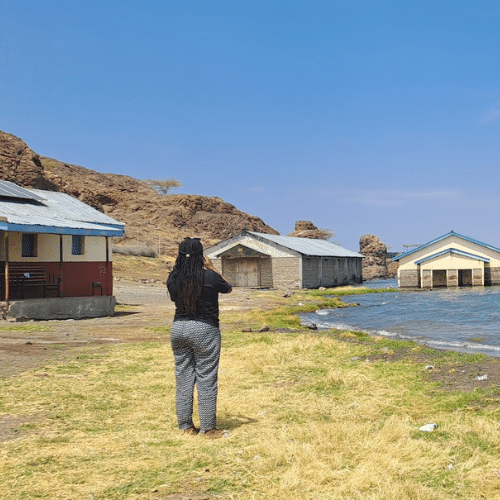
Wongan Women Initiative resist Lake Turkana Wind Power Project in Loiyangalani, Kenya

When Global Policy Meets Lived Reality: Community Voices from Johannesburg’s G20 Week.

Beutong Ateuh Banggalang: The Land that Sustains Life

Exploring strategies to resist the Chinese-funded Teluk Sepang coal plant and other dirty energy projects in Indonesia


Lista de lectura
- «¿Un par de manos seguras? Cómo los bancos multilaterales de desarrollo no están a la altura de las expectativas en materia de financiación climática» (2024), Recourse
- Explainer: What’s climate justice?», Amigos de la Tierra
- «The Missing «Just» in Vietnam’s Just Energy Transition Partnership (JETP)» (2024), International Rivers y Vietnam Climate Defenders Coalition
- «Natural Resources and Just Energy Transition», Business and Human Rights Resource Centre (véase en particular: Just energy transition principles for human rights in business and investment; «From mining to renewable energy: lessons learnt from benefit sharing legislation for a just transition in Africa»);
- «Just Transition Guide» (2023), Sacred Earth Solar and Indigenous Climate Action
- «Declaración de los pueblos indígenas participantes en la Conferencia sobre los pueblos indígenas y la transición justa», (abril de 2024), IPRI.