


From April 28 to May 1st, around 100 human rights defenders and civil society representatives from 50 different countries gathered in Tbilisi (Georgia) for the second meeting of the Defenders in Development campaign.
The gathering was a unique opportunity to finally meet in person and exchange learnings, build solidarity, have deep discussions on the key challenges faced today by defenders, and brainstorm together to imagine possible solutions.
 We are incredibly grateful to each of the 100 attendees: for the experiences and knowledge they shared, for the wealth of ideas on how we can continue this journey together, and for showing us how it’s possible to resist against all odds.
Challenging development banks to ensure people can freely and safely speak out is an uphill battle. But it’s a battle that in the long term can be won: the gathering was an important moment to look back and recognize the progress achieved so far, and to look forward to imagining new pathways, strategies and opportunities to advance our collective work.
 Among the successes, for example, participants noted how today almost all the major multilateral development banks have issued statements or have added provisions in their safeguards on reprisals. However, participants also recognized how implementation is still lacking. Way too often, development banks are failing to recognize early signs of reprisals, to conduct meaningful human rights due diligence, and to take preventative action. And when they do take action, it is already too late.
In particular, participants noted a rise of reprisals in the context of energy transition projects, with a disproportionate impact on Indigenous Peoples and women. Other key issues, identified as priorities for the collective work ahead, are the widespread use of criminalization as a tactic to silence human rights defenders; the specific challenges faced by defenders living in areas of conflict or in highly repressive contexts; and the growing restrictions on civic space.

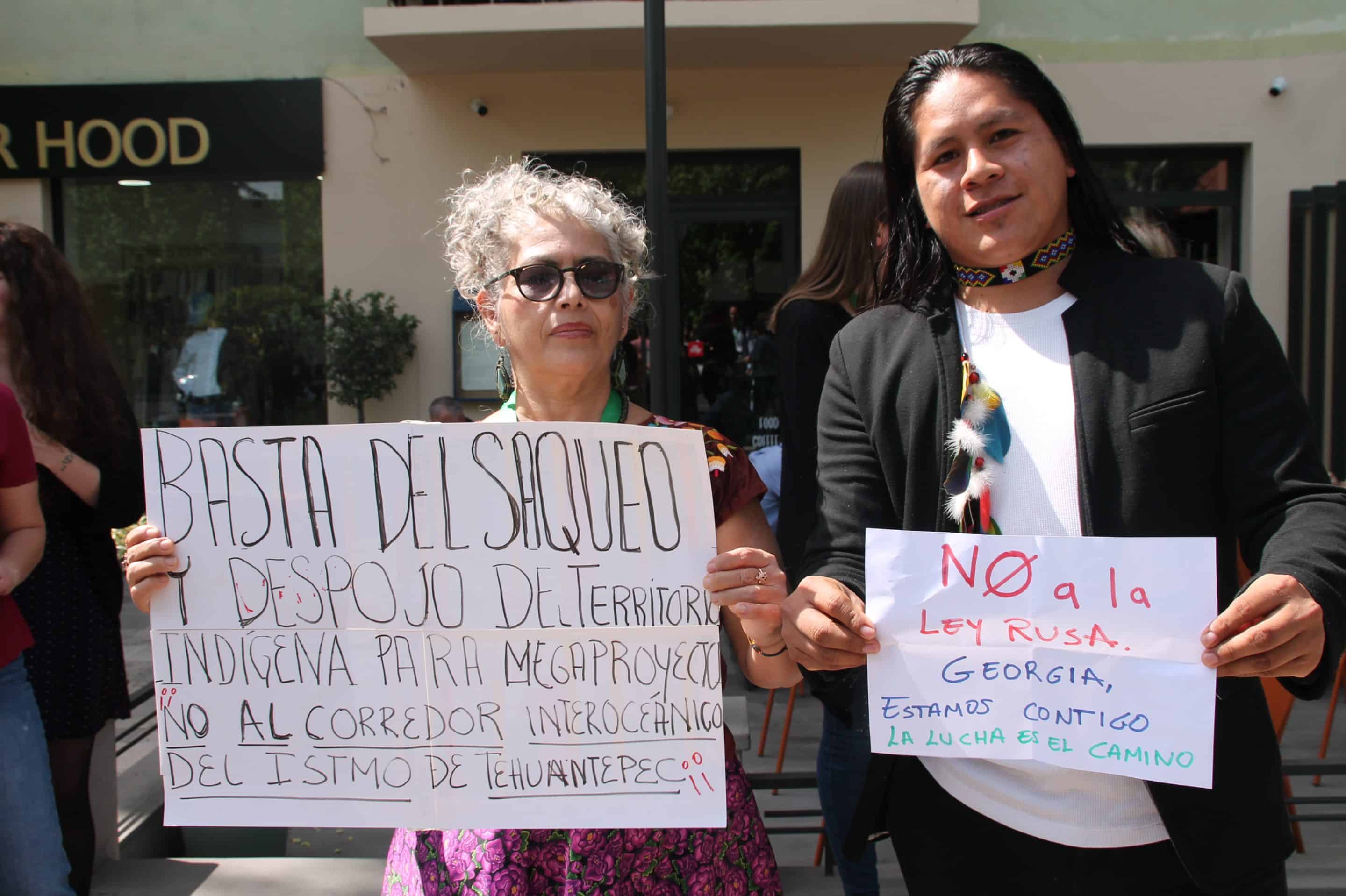
As the gathering took place while Georgians were taking to the streets to protest against the foreign representatives’ laws, we stood up in solidarity with our local colleagues and joined the advocacy efforts, calling on development banks to use their leverage and push the government not to approve the law.
The gathering was also a key moment to re-galvanize the campaign and reflect together on possible next steps. With a group of defenders and civil society representatives who attended the gathering, we revised the campaign’s objectives, on the basis of the input received in Tbilisi. We are now looking forward to finalizing the strategy for the next five years, and to strengthening the collective support for defenders and communities around the world who are protecting their territories and advancing their rights.
Learn more