

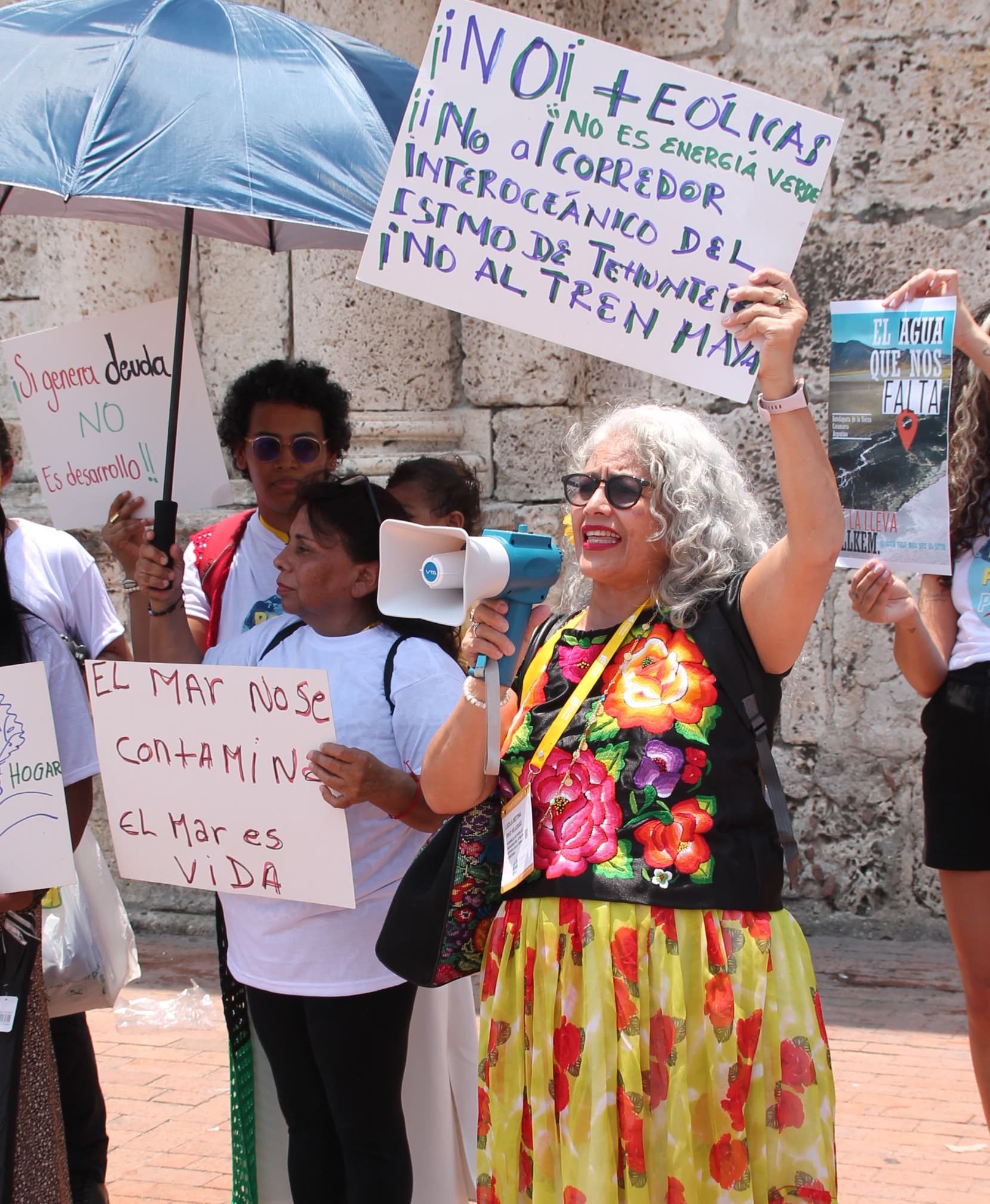
Pourquoi la justice climatique est nécessaire
Le changement climatique fait peser des risques graves et imminents sur les populations et la planète, notamment le réchauffement climatique, la dégradation de l’environnement, la perte de biodiversité et la perte de moyens de subsistance. Dans le même temps, comme indiqué dans la section ci-dessous, la réponse des gouvernements et des acteurs économiques au changement climatique fait peser de nouveaux risques systémiques, en particulier dans les pays du Sud, et exacerbe les inégalités structurelles (telles que celles causées par la richesse, l’âge, la race et le sexe).
La crise climatique n’est pas seulement une question environnementale, mais aussi sociale, économique et politique. Le changement climatique a un impact disproportionné sur les communautés locales en situation de marginalisation, en particulier dans les pays du Sud, qui sont les moins responsables du problème. En outre, nombre des solutions descendantes actuellement préconisées pour lutter contre le changement climatique exacerbent ce déséquilibre des pouvoirs, en extrayant des ressources et en imposant des projets nuisibles dans les pays du Sud pour répondre à la demande croissante et à la surconsommation dans les pays du Nord.
C’est pourquoi, alors que les effets de la crise climatique ne cessent de s’aggraver, les communautés locales, les défenseur.e.s des doits humains et les groupes de la société civile du monde entier réclament la justice climatique et une transition énergétique juste qui :
- place les personnes avant le profit ;
- s’attaque aux inégalités structurelles exacerbées par la crise climatique ;
- protège les terres, les ressources naturelles et l’environnement ;
- poursuit les objectifs et répond aux besoins des peuples autochtones et des autres communautés en première ligne ;
- contribue à construire un avenir durable, équitable et féministe pour tous.
Récits et mises à jour

L’avenir que nous voulons : les voix des communautés africaines touchées par l’exploitation minière.
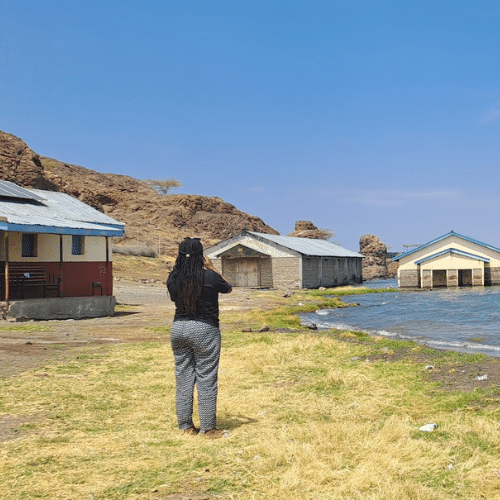
Wongan Women Initiative resist Lake Turkana Wind Power Project in Loiyangalani, Kenya

When Global Policy Meets Lived Reality: Community Voices from Johannesburg’s G20 Week.

Beutong Ateuh Banggalang: The Land that Sustains Life

Exploring strategies to resist the Chinese-funded Teluk Sepang coal plant and other dirty energy projects in Indonesia
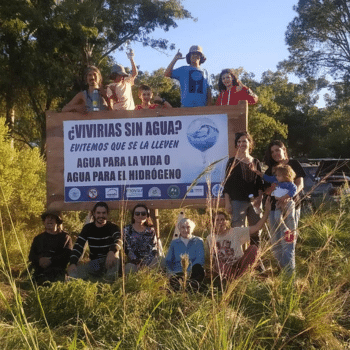
The dark side of green hydrogen & community resistance in Chile and Uruguay
Revendications collectives adressées aux banques publiques de développement concernant le développement mené par les communautés dans le cadre de la transition énergétique juste

Grounded Transitions

Converting Lives into Kilowatts: Resettlement Plans for Rogun Hydropower Project Threaten Tens of Thousands of People

Balochistan’s Reko Diq copper mine: Mineral extraction must respect human rights and the environment
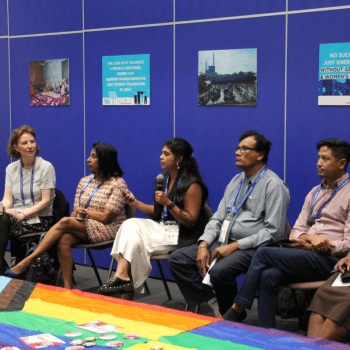
Centering Communities is Crucial in Building Tomorrow: Reflections from the 58th ADB Annual Meeting

Protecting rivers, protecting life: the struggle of Nepal’s Indigenous Majhi communities against large-scale dams

Public development banks: sustainers of inequality
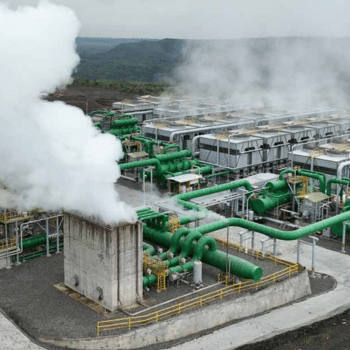
Kenya: the true impact of the AfDB-funded Menengai geothermal project
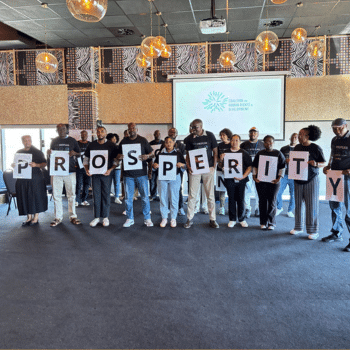
Public Development Banks must prioritise indigenous peoples and communities in climate projects

Finance en commun 2025


Liste de lecture
- « Une paire de mains sûres ? Comment les banques multilatérales de développement ne répondent pas aux attentes en matière de financement de la lutte contre le changement climatique » (2024), Recourse
- Explainer : Qu’est-ce que la justice climatique ? », Les Amis de la Terre
- « Le « juste » manquant dans le Partenariat pour une transition énergétique juste (JETP) au Vietnam » (2024), International Rivers et Vietnam Climate Defenders Coalition
- « Natural Resources and Just Energy Transition », Business and Human Rights Resource Centre (voir en particulier : Just energy transition principles for human rights in business and investment ; « From mining to renewable energy : lessons learnt from benefit sharing legislation for a just transition in Africa »)
- « Just Transition Guide » (2023), Sacred Earth Solar and Indigenous Climate Action
- « Déclaration des participants autochtones à la Conférence sur les peuples autochtones et la transition juste », (avril 2024), IPRI.