

The strategic conversation among Coalition members in Latin America, held in October (along with other consultations throughout the year), identified recent achievements, ongoing challenges, and priorities for the coming years. This space served as a key platform to reflect on regional strategies, strengthen community participation, and identify opportunities to influence global agendas.
Key Topics and Issues Addressed
Strengthening Community Participation:
- The need to ensure greater inclusion of communities in decision-making processes was highlighted, particularly on issues related to international financial institutions and public policies.
- Proposals included developing pedagogical tools and methodologies tailored to local realities, as well as accessible spaces for resource-limited communities to exchange knowledge.
Connecting Local and Global Agendas: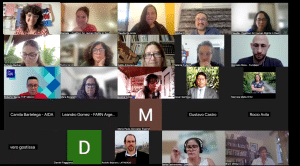
- Discussions centered on bridging the gap between the local impacts of bank-funded projects and global financing and development initiatives.
- Participants stressed the importance of addressing climate crises, biodiversity, and human rights in an integrated manner, with community-led approaches.
Responding to Regional Trends:
- The discussion focused on countering misinformation and the weakening of public institutions, which hinder human and environmental rights protections.
- The need to craft clear, effective narratives was emphasized, holding governments, banks, and companies accountable while promoting justice-based solutions.
Advocacy and Preventing Impacts:
- Participants underscored the importance of influencing energy transition plans, debt policies, and climate financing through community perspectives.
- Preventing negative impacts early, before projects are fully defined, was highlighted as essential, using proactive approaches and alternative solutions.
Connection to the Global Process:
- Insights from this regional conversation (along with consultations conducted earlier in the year) will feed into the Coalition’s global strategic planning meetings scheduled for July 2025.
- The outcomes of the Latin America discussion will serve as critical input, enriching the Coalition’s strategies across other contexts.
Expected Outcomes for the Coalition’s Regional Work (2025-2027):
1. Capacity Building and Community Participation
- Expected Results:
- Increased active participation of affected communities in decision-making spaces for international financing, public policies, and infrastructure projects.
- Development of accessible methodologies tailored to local contexts, ensuring access to key information on rights, bank operations, and territorial impacts.
- Regular knowledge exchanges with communities to foster mutual learning and amplify their perspectives on global agendas.
2. Multisectoral Advocacy and Preventive Focus
- Expected Results:
- Implementation of integrated strategies connecting human rights, climate justice, fiscal justice, and development financing, prioritizing harm prevention before extractive or infrastructure projects are imposed.
- Expanded use of international accountability mechanisms, including promotion of the Escazú Agreement’s implementation.
- Development of alternative proposals to extractivist models based on community visions to inform public policies nationally and internationally.
3. Accessible and Democratic Communication
- Expected Results:
- Creation of clear, accessible narratives to combat misinformation and challenge “greenwashing” solutions, rooted in human rights and community perspectives.
- Increased production of communication materials tailored for communities with technological, linguistic, or geographic barriers.
- Strengthened dissemination mechanisms to amplify community voices in regional and global forums.
4. Building Networks and Alliances
- Expected Results:
- Consolidation of connections between member and ally organizations, promoting shared agendas that link local and global efforts.
- Regular exchange spaces to facilitate knowledge transfer among communities, NGOs, and key stakeholders.
- Enhanced collaboration between sectors (civil society organizations, communities, social movements, academia) to bridge communication gaps and develop collective responses to current crises.
5. Community Empowerment and Sustainability of Local Action
- Expected Results:
- Implementation of strategies to strengthen the sustainability of local actions and community resilience in the face of structural inequalities.
- Increased support for community leadership through resource transfers, tools, and capacity building to enhance their advocacy efforts.
- Greater community involvement in the Coalition’s strategic planning processes and in shaping narratives around sustainable and inclusive development models.