This blog was written by our Coalition’s member Aryampa Brighton (founder and CEO of Youth for Green Communities) and by Alessandra Thunde and Masande Sigebu (interns at the Coalition for Human Rights in Development and students at the University of Cape Town). Alessandra and Masande are also authors of the blog “Centering Community Voices in Just Energy Development: Reflections on the 2026 Alternative Mining Indaba”.
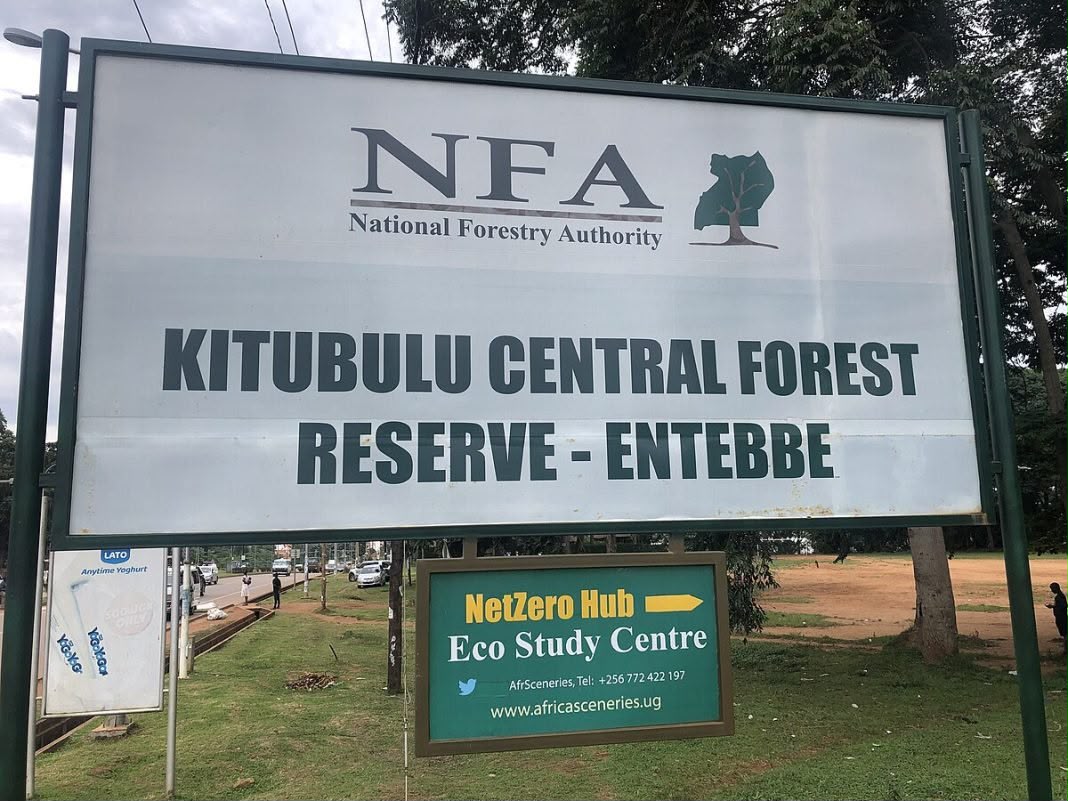
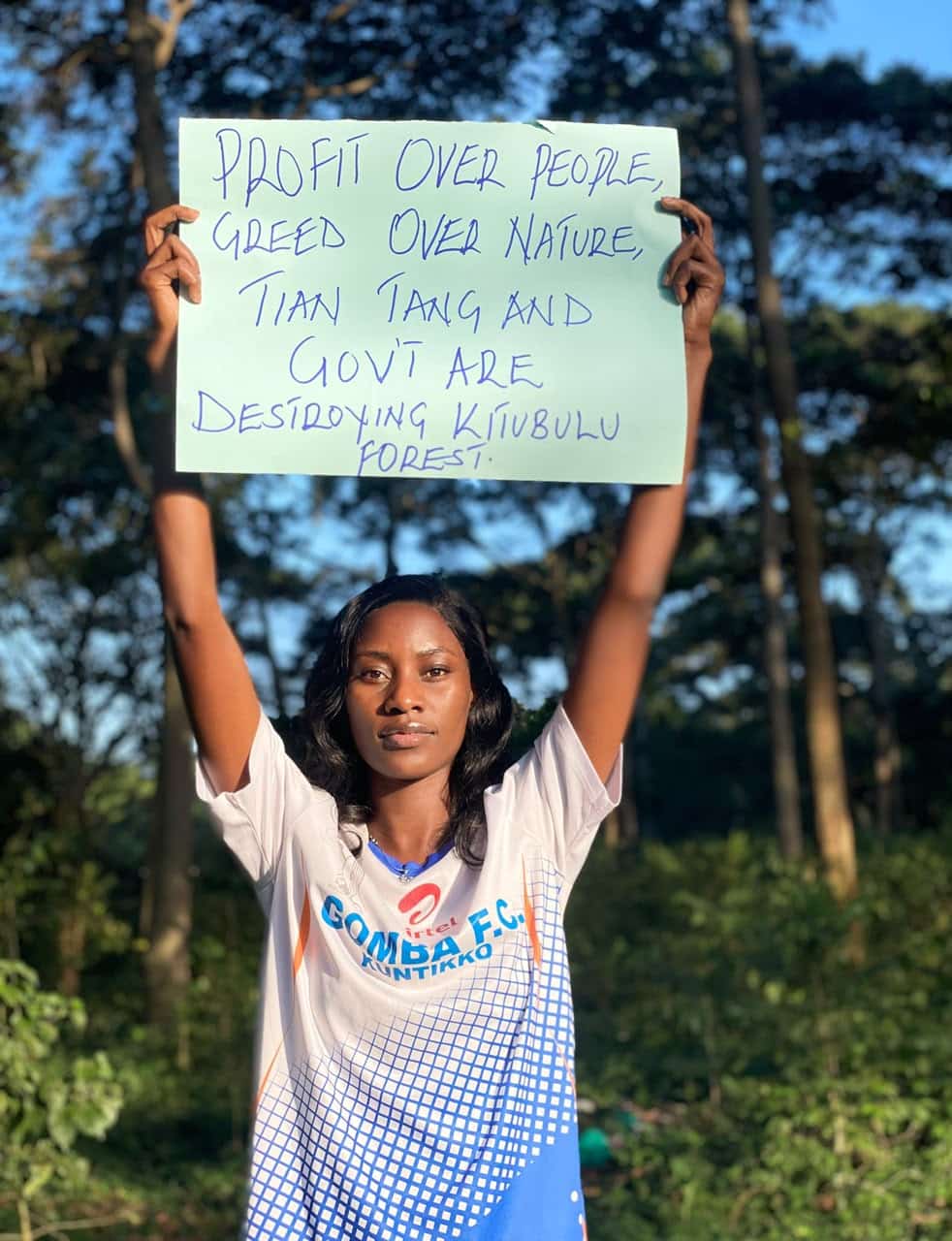 For months, communities living around Uganda’s Kitubulu Central Forest Reserve in Entebbe watched plans for a mini-city move quietly through corridors of power. Many say they were never consulted. By the time details of the proposed development reached surrounding communities, frustration and anxiety had already begun spreading through the forest’s edges.
Then, in January 2026, came news residents had spent months fighting for: President Museveni had ordered the cancellation of land titles linked to a proposed development inside the reserve, citing the forest’s critical role in protecting Lake Victoria’s biodiversity and filtering pollutants that threaten the lake’s ecosystem. What had once seemed inevitable began to crack under public pressure.
The proposed $500 million project backed by Tian Tang Group, a Chinese conglomerate, included a shopping mall, commercial buildings, hotels and government offices. Around 150 acres of the Kitubulu tropical rainforest were at risk. According to some reports, the initiative — first proposed in 2018 — was part of a wider plan to decongest the capital, Kampala, by establishing an “alternative capital city” near Entebbe.
For surrounding communities, the struggle was about protecting a place deeply woven into their everyday life and their history. Fishermen pass through the forest on their way to Lake Victoria. Residents collect medicinal plants and herbs there. The forest also helps reduce flooding in nearby areas. To fight deforestation, local communities have been planting and stewarding native trees. This is a place tied to memory, collective history, and belonging. If the project would have gone ahead, and trees would have been replaced with buildings, the community would have felt like part of their lives had been taken away.
Conservationists were also sounding the alarm. The forest, with its rich biodiversity, is a protected area under the International Union for Conservation of Nature (IUCN). As reported by Watchdog Uganda, “This evergreen canopy rainforest, one of the last remnants of the lowland woods encircling Lake Victoria, acts as a natural filtration system, trapping water pollutants and silt that threaten the lake basin’s fragile ecosystem. Home to diverse flora and fauna—including rare bird species and endangered primates—its destruction would exacerbate Uganda’s alarming biodiversity loss”.
Additionally, Kitubulu’s trees serve as vital carbon sinks: according to Watchdog Uganda, clearing them “would not only spike emissions but also intensify flooding risks and temperature dysregulation in a city already plagued by erratic weather patterns”.
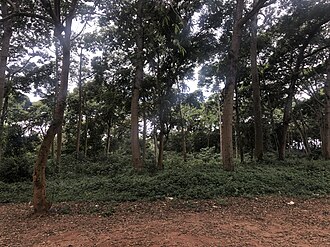 As concerns deepened, resistance became more organised and visible. Communities mobilised alongside civil society groups, including the youth-led organisation Youth for Green communities, to challenge the proposed development. They launched petitions, used social media to raise awareness, and organized meetings between local leaders, authorities and affected residents. CSOs also wrote letters to government institutions seeking information about how the land within the forest had been allocated and whether legal procedures had been followed.
Support spread beyond the immediate community, bringing together activists, environmental organisations, local leaders, and residents. While YGC and allied organisations provided advocacy support, the strength of the campaign came from the communities themselves. Slowly, what had begun as community frustration turned into public pressure that became increasingly difficult to ignore, highlighting the power of solidarity and collaboration between CSOs and communities in environmental justice struggles. For many involved in the resistance, the outcome came to represent something larger than halting a development project. It affirmed that communities could speak back to power, challenge decisions made about their environment, and defend places they had long considered part of home.
The success of this campaign also shows the importance of informed and organised communities: meaningful participation becomes possible when communities are given the platform and opportunity for their voices to be heard.

This story offers an important lesson. Communities should not merely be viewed as passive recipients of development, but as active participants whose wellbeing, environment and livelihoods must be meaningfully considered and protected. Applying this principle more intentionally in development planning would help ensure that communities remain at the centre of decision-making processes, leading to more inclusive, sustainable and socially responsive outcomes.
Beyond the broader lessons of community-centred development and environmental justice, this victory not only prevented the loss of a vital ecosystem, but also preserved a space deeply woven into the lives of the community. The very forest that was once under threat, continues to stand quietly along the shores of Lake Victoria, offering a calming atmosphere while sustaining the livelihoods of its community members and leaving a legacy that future generations will continue to benefit from.