

Stories and updates
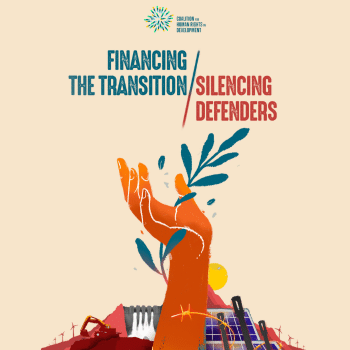
New report out: Financing the Transition, Silencing Defenders
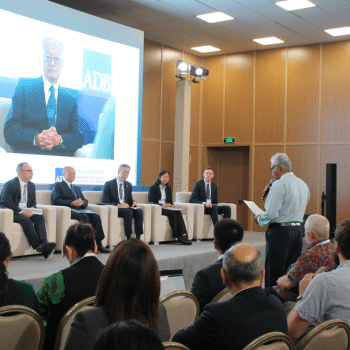
ADB 2026 Annual Meeting

Human rights concerns around development finance-backed Reko Diq mining project in Balochistan

Unmasking the Hypocrisy Behind Kazakhstan NGO Foreign Funding Law

ADB’s New Approach to Mining Risks Fueling Conflict

Converting Lives into Kilowatts: Resettlement Plans for Rogun Hydropower Project Threaten Tens of Thousands of People
Joint letter to ADB – Concerns re: growing engagement with Israel

Balochistan’s Reko Diq copper mine: Mineral extraction must respect human rights and the environment
The Asian Development Bank (ADB) was established in 1966 to foster economic growth and development in the Asia-Pacific region. The bank provides loans, technical assistance, grants, and equity investments to its developing member countries. ADB financing has been used to construct large infrastructure projects, pursue partnerships with the private sector, and provide technical expertise on economic policy.
Composed of 69 members and able to mobilize tens of billions of dollars each year, the ADB wields significant influence over the region’s development agenda. While the bank continues to promote its stated goal of “achieving a prosperous, inclusive, resilient, and sustainable Asia and the Pacific,” many communities have experienced large-scale displacement, loss of livelihoods, mounting debt burdens, and environmental degradation. The ADB also claims to be Asia and the Pacific’s climate bank, yet it has failed to ensure accountability for its financing of coal-fired power plants and for the ecological damage resulting from large-scale projects it supports.
Although communities and civil society groups have repeatedly warned the bank about these adverse social and environmental impacts, they have often faced threats and attacks from security forces. Existing mechanisms and policies for stakeholder engagement have proven inadequate to guarantee the meaningful participation and protection of affected communities in development processes.

What does the ADB do and how can CSOs engage with it
The Asian Development Bank (ADB) is the largest regional bank in Asia-Pacific, putting it in a unique position to influence development projects and policies.
The bank has several commitments in safeguarding people’s rights and the environment, as exemplified by its Environmental and Social Framework (ESF). It also has committed to remain accountable for any violations against its policies that have translated to harm for communities, as reflected in its Accountability Mechanism Policy.
Nevertheless, it can be seen that in its five decades of operations, the bank has negatively impacted communities in the region, as it pursued large-scale infrastructure projects, further entry of the private sector, enacted policy conditionalities, which have harmed peoples’ lives, livelihoods and environment. To ensure that the bank is held accountable and its initiatives are rights-based and community-led, civil society and communities need to know how the ADB works, where their money is going, and how decisions are made.
- Founded in 1966
- Headquarters: Manila (Philippines)
- Mission: To achieve a prosperous, inclusive, resilient and sustainable Asia and the Pacific, while sustaining efforts to eradicate extreme poverty
- 69 members (50 from Asia-Pacific, 19 from outside the region)
- The bank provides loans, technical assistance, grants, guarantees, and equity investments to member countries in Asia-Pacific.
Who makes decisions?
- Board of Governors: The Board of Governors is the highest-policy making body of the bank. Each member country is represented by its Governor and Alternate. The Governors also elect the President and the Board of Directors.
- Board of Directors: Located at the ADB Headquarters in Manila, the Board of Directors is responsible for overseeing the financial, policy, and administrative operations of the bank. Eight of the directors come from the region, while the remaining four represent the non-regional members. Directors have significant decision-making power, as Governors have delegated their powers to the Directors for most of the bank’s decisions. The Directors also oversee the committees on Audit and Risk, Budget Review, Board Compliance Review, Development Effectiveness, Ethics and Human Resources.
- President: The President leads the management team, which includes the Managing Director-General and six Vice-Presidents. The President is also the Chair of the Board of Directors. Coming from the region, the President is elected for a five-year term and can be re-elected.
- Voting power: The voting power of member countries depends on the capital it has invested in the ADB. The highest shareholders are Japan, the United States, China, India, and Australia.

Why knowing the ADB is important
- ADB-financed development projects have impacted communities, leading to loss of homes, livelihoods, ways of life, and environmental harm.
- It also imposes conditionalities on borrowing countries, influencing socio-economic policies and impacting people’s access to goods and services.
- The bank uses public money for development projects, meaning that people should have a say on how it’s utilized and the bank should be held accountable for how it’s used.
- With its influence, it can dictate the development agenda of developing countries in Asia-Pacific, without consulting the communities that will bear the consequences of harmful projects and policies.
How can civil society engage with the ADB?
- Project level: Ensure access to information regarding projects affecting your community, engage in consultations (as long as it is safe and secure for those participating), bring attention to the possible adverse impacts of the project, continued monitoring of the project and how the ESF standards are observed, utilize grievance and accountability mechanisms to forward complaints and concerns;
- National level: Participate in consultations on the update of your country’s partnership strategy that dictates priorities for financing, join in-country stakeholder consultations, engage with country offices, conduct national campaigns and research with other organizations;
- Regional level: Participate in the ADB Annual Meeting, join regional consultations for policy reviews, engage with bank management;
- International level: Do advocacy with board directors and member governments, join CSO coalitions and platforms that monitor and engage DFIs;
- Civil society engagement mechanisms: The NGO and Civil Society Center (NGOC) is primarily responsible for engaging civil society in the bank’s operations. Within the bank, there is also the CSO Cooperation Network, which is composed of CSO anchors that are focal points for CSOs in specific departments. The ADB also released “A Sourcebook for Engaging with Civil Society Organizations in Asian Development Bank Operations” to guide staff on why, what, when and how to engage with CSOs.
Advocacy Strategies
- Organize at the community level and build alliances at the national, regional and international level (e.g. such as the NGO Forum on ADB);
- Do community-based research and continued monitoring of the impacts of ADB projects;
- Conduct media and social media campaigns to bring attention to the issues and garner public support;
- Meet with ADB officials and government officials to raise alarm on certain projects and forward policy recommendations;
- Get legal support and partner with legal aid organizations to provide support and ensure projects respect people’s rights and are aligned with national laws and policies;
- Hold mobilizations and demonstrations to highlight demands from the bank and its partners.
Environmental and Social Framework (2024)
The Environmental and Social Framework (ESF) contains 10 standards to ensure that ADB operations uphold environmental and social sustainability. Each project will be assigned a risk classification, which determines which standards are relevant to be adopted. One of the criteria for the risk analysis is the quality of civic space. The environmental and social standards serve to ensure that there is meaningful stakeholder engagement, climate resiliency, healthy and secure working conditions, proper land acquisition, respect for Indigenous Peoples’ rights, conservation of biodiversity and cultural heritage.
These standards are the basis on how the bank and its clients will assess, prevent, mitigate, and address risks and harms brought about by ADB projects. The ESF can ultimately allow for the financing of forced eviction and ecological harm, or ensure that communities’ rights are upheld and the bank, along with its partners, are held accountable for the projects they implement.
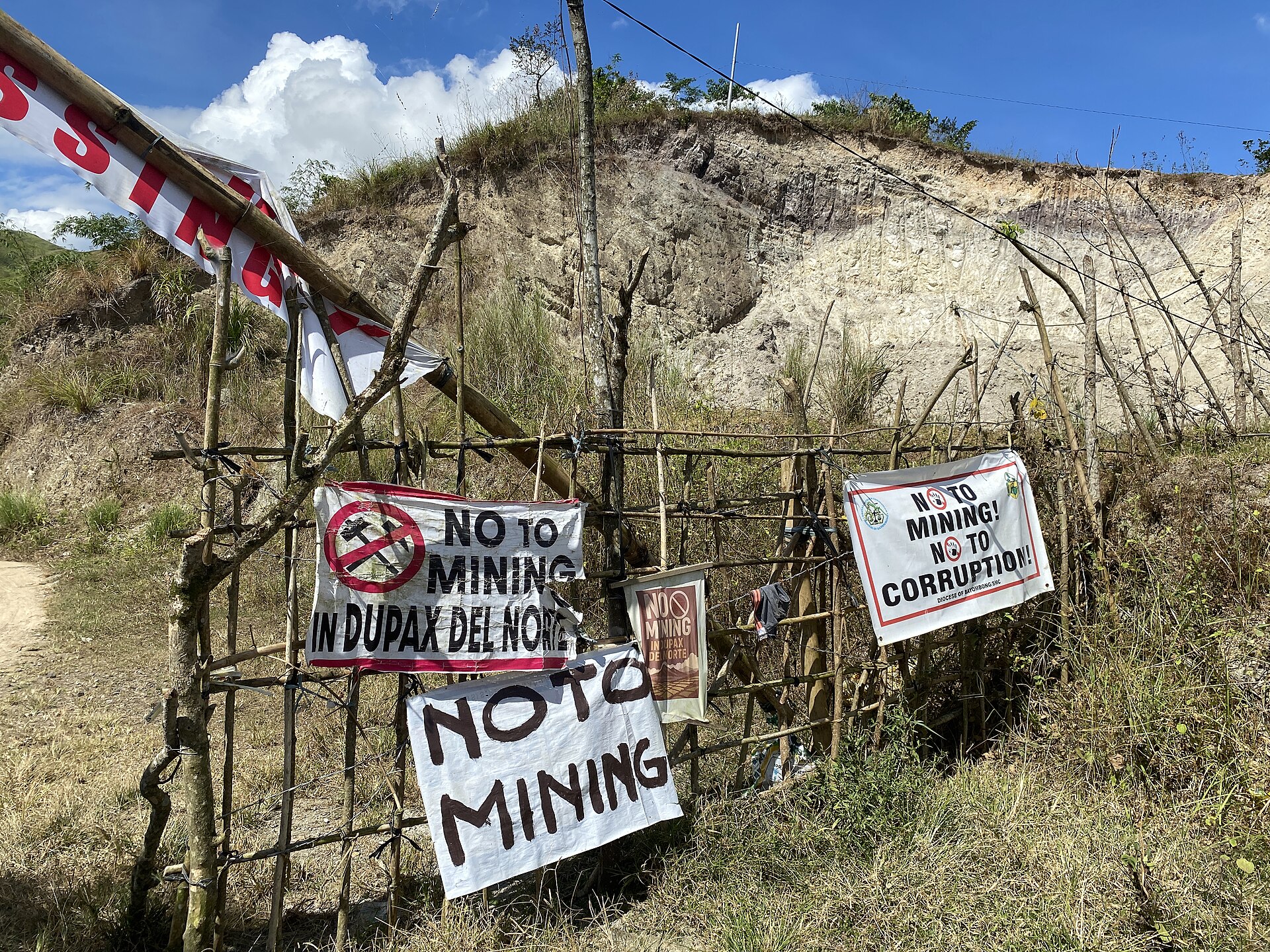
ADB’s Accountability Mechanism
The ADB has its Accountability Mechanism in order to help address adverse impacts brought about by its projects and to facilitate dispute resolution for affected communities and the project implementers. Upon filing the complaint with the Complaint Receiving Officer, it can either go to the Problem Solving-Function or the Compliance Review Function.
The Problem-Solving Function aims to prevent, address and compensate for any of the damages from the bank’s projects. This function receives complaints from affected peoples or their representative, and facilitates a process of negotiation among the affected peoples, government, and companies of the project to agree on a solution.
Meanwhile, the Compliance Review Function is engaged when there is a violation of the bank’s operational policies and procedures. To engage this, the Board of Directors needs to authorize the compliance review panel to start its investigation on the project.
Using these mechanisms often makes affected communities and partner organizations vulnerable to threats of reprisal and retaliation from project staff, local authorities and armed forces. With this, the bank released guidelines for protection of stakeholders during the AM process, which includes assessing risks of retaliation, keeping information confidential, and ensuring safe spaces for consultations. The Accountability Mechanism Policy 2012 is currently being reviewed, with CSOs and communities having a chance to relay their recommendations and demands for a more accountable ADB.