

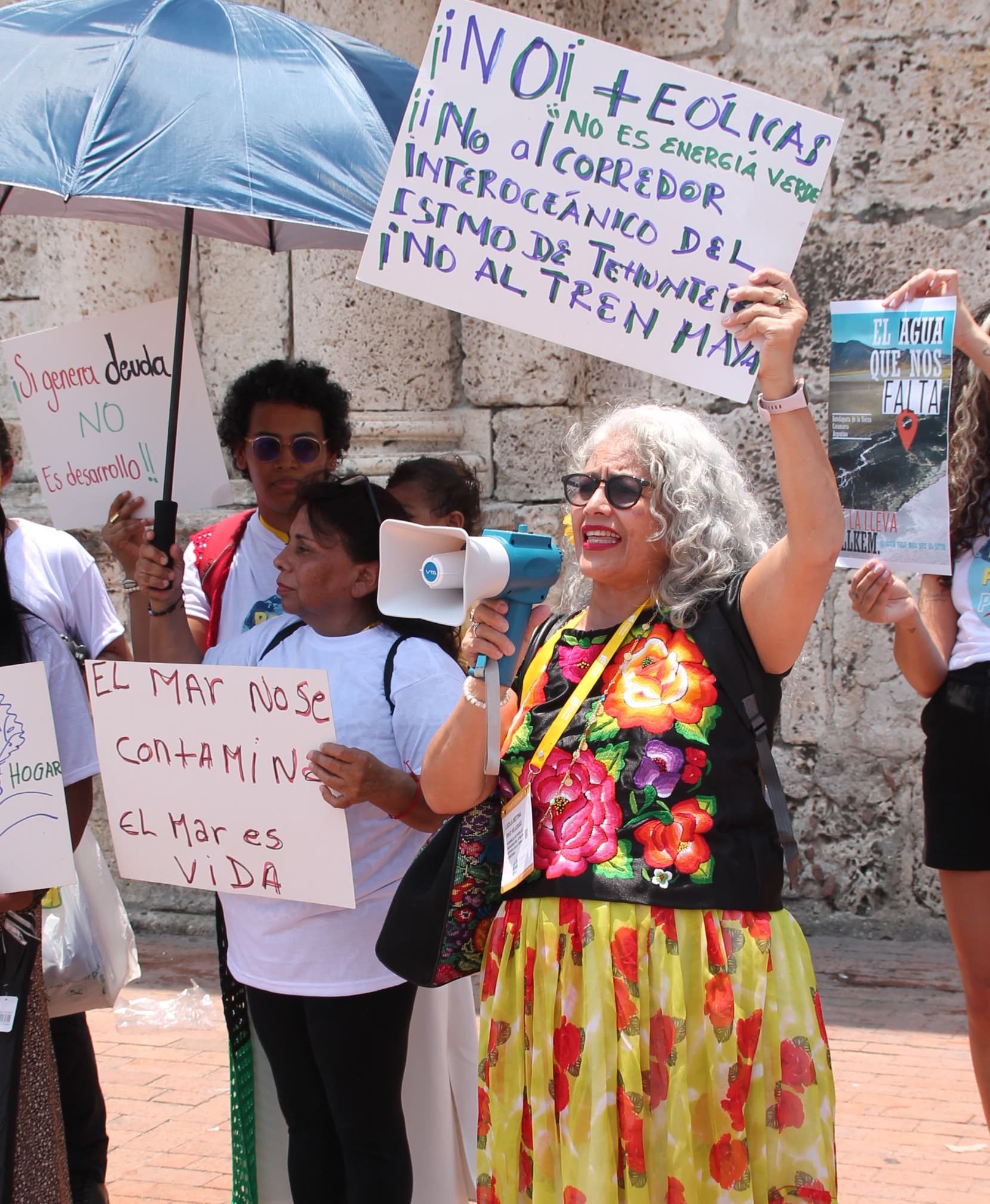
A community-led approach to the just energy transition
Across the world, we are confronting the dramatic consequences of industrial-era climate change (from extreme droughts to floods and heatwaves), which are displacing communities, destroying their livelihoods, and threatening ecosystems.
To mitigate and avoid the worst effects of climate change, world leaders and policymakers have called for profound structural transformations and a “just energy transition”. Countries and institutions across the globe are now scaling up renewable and low-carbon energy solutions, while phasing out fossil fuels. But behind the slogans about “climate finance”, “green growth” and “sustainability”, the current approach to the just energy transition is marred with contradictions, as it has been used as a smokescreen to keep pursuing a neoliberal and extractivist approach.
Public development banks (PDBs) are promoting large-scale projects and false solutions – such as green hydrogen, geothermal or nuclear plants – which are neither green nor sustainable, as they violate human rights and contribute to environmental degradation. Often, rather than tackling the root causes of climate change, these projects are ending up exacerbating existing problems. And Global South communities, despite being the least responsible for the climate crisis, are being disproportionately impacted both by the impacts of climate change and the rush towards large-scale renewable energy projects or false solutions.
This is why our members and partners are calling for a community-led approach to the just energy transition and economic transformation, that recognizes communities as key decision-makers — with women and Indigenous Peoples at the forefront — and places their knowledge and priorities at the center of global energy policies.
Moreover, many communities across Africa and the Global South lack access to safe and sustainable energy so any work on just energy “transitions” must first center reliable, affordable, dignified and equitable energy access, especially for the most marginalized communities.
Stories and updates

Communities in the Salar of Hombre Muerto celebrate Argentine court’s ruling to suspend new lithium mining permits
Too good to be true: the true cost of green hydrogen in Chile
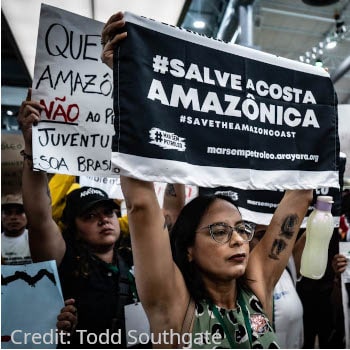
Our work in Latin America on climate justice issues in 2023
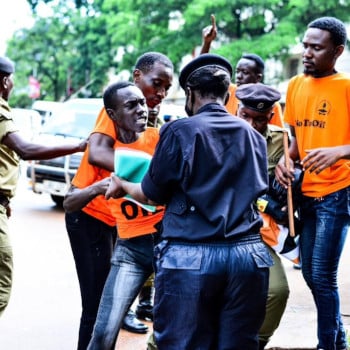
Uganda: Stop EACOP coalition calls for release of 7 student activists

Kenya: conservation project leads to human rights violations and reprisals
New Report on WB Coal Financing Released by IDI, BIC Europe and JATAM Indonesia


Reading list
- “The MDBs’ growing role in climate finance: All that glitters is not gold” (2025) Recourse
- “A safe pair of hands? How the multilateral development banks fail to live up to expectations on climate finance” (2024) Recourse
- Explainer: What’s climate justice?“, Friends of the Earth
- “The Planet is Burning and Communities Worldwide are calling for justice” (2025) CHRD
- “Grounded Transitions: Closing the Gap Between G20 Priorities and the Realities of Critical Mineral-Affected Communities” (2025) CHRD
- “How communities in sacrifice zones suffer environmental injustices in Mexico, Chile, Nigeria and Indonesia” (2025) Mongabay
- “The Missing “Just” in Vietnam’s Just Energy Transition Partnership (JETP)” (2024) International Rivers and Vietnam Climate Defenders Coalition
- “Natural Resources and Just Energy Transition” [see in particular: Just energy transition principles for human rights in business and investment; “From mining to renewable energy: lessons learnt from benefit sharing legislation for a just transition in Africa“] Business and Human Rights Resource Centre
- “Just Transition Guide” (2023) Sacred Earth Solar and Indigenous Climate Action
- “Declaration of Indigenous Peoples’ Participants in the Conference on Indigenous Peoples and the Just Transition“ (2024) IPRI.