
Looking ahead: our priorities for 2026
In 2026, the Community Resource Exchange (CRE) will continue to strengthen grassroots movements by fostering community-led collaborations in the context of development finance and international investments; supporting communities that want to engage in different advocacy spaces and target various actors; facilitating linkages; generating learning and evidence; and further developing our CRE structures to enhance our sustainability and impact.
Our key strategies will be:
- Communities of action: These are clusters of grassroots groups and support organisations united by a common issue, target investors, theme or geography, and committed to advancing shared goals. Our Africa, Asia, and Latin America Regional Facilitators will continue supporting both existing and new communities of action by identifying shared priorities, facilitating peer-to-peer learning, and strengthening coordination around joint advocacy and collective action.
- Regional thematic priorities: To better address the challenges faced by our community collaborators and have a more targeted approach, the CRE Regional Facilitators and Regional Working Groups will continue aligning our work to the thematic priorities identified for each region.
- Calls for proposals: In May, the CRE will issue a new call for proposals. Each Regional Working Group will determine the theme for the call, and whether it will be an open call or by-invite only.
- Narrative-building: We will continue facilitating capacity-building initiatives and learning exchanges to support communities in developing and advancing their own narratives – grounded in their visions, perspectives, and demands – while countering negative messaging that seeks to delegitimize their struggles.

Community near Lake Turkana, Kenya. Credit: Won’gan Women Initiative
Updates from our CRE partners
With the support of the CRE, communities around the world are holding development banks and international investors accountable, mobilizing to advance their rights, and building solidarity with other communities facing similar challenges. Below, we highlight some of their powerful struggles.
Cross-regional updates
- “When small drops shift power”: Last year, the CRE organized a two-part community exchange, where over 30 collaborators from Asia and Africa met online to discuss their experiences on community mobilization and strategies to defend their rights and environment, with a focus on key lessons learned shared by women human rights defenders. In this blog, our intern Diego Pravikoff shares some highlights and takeaways from the sessions.
- Last September, our CRE partner Fatrisia Ain (spokesperson of Buol Plasma Peasants Forum, Indonesia) joined the UN Responsible Business and Human Rights Forum Asia-Pacific in Thailand. This is one of several advocacy spaces in which we have collaborated with our CRE partners to open platforms and create opportunities to elevate the voices of grassroots communities that are too often sidelined or ignored. But what are the challenges of engaging in such spaces? And what are the opportunities and key takeaways for the activists who join such events? Read more in this new blog by our CRE International Coordinator Carmina Flores-Obanil and in the blog “From Buol to Bangkok: bringing grassroots voices to a global advocacy forum” by our CRE collaborator Fatrisia Ain.
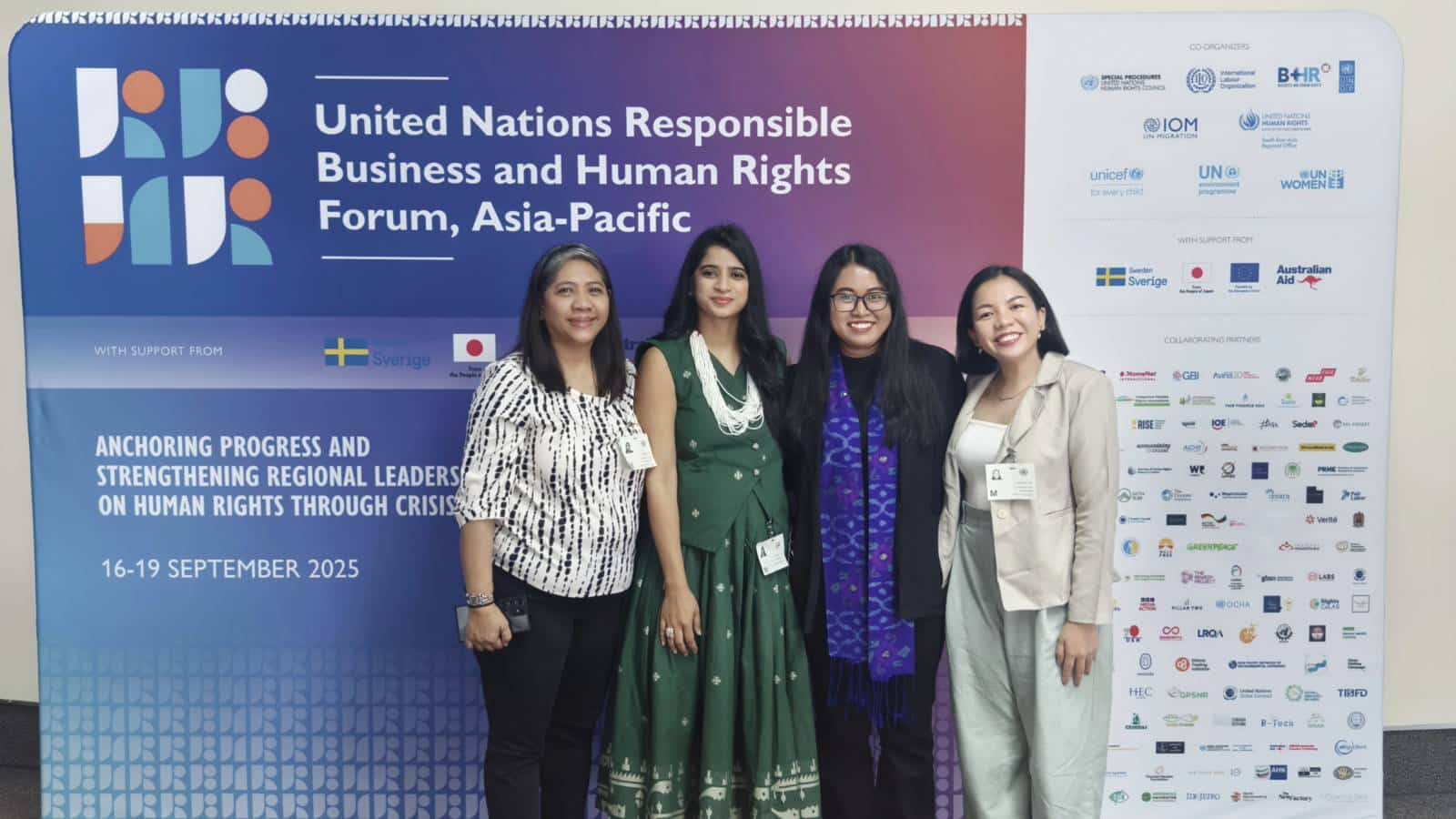
CRE partners and CHRD staff at the UN Forum on Business and Human Rights in Bangkok, Thailand.
Africa
- A success story from Uganda: In January 2026, Uganda’s President Museveni ordered the immediate cancellation of all land titles issued in the Kitubulu Central Forest Reserve, citing the forest’s critical role in protecting Lake Victoria’s biodiversity and filtering pollutants. Our CRE collaborator Youth for Green Communities – with support from Environmental Defenders Collaborative, through a CRE referral – had accompanied affected communities in their advocacy and campaigns. Together, they led a powerful struggle to resist the government’s decision to allocate Kitubulu Central Forest Reserve to a Chinese investor, for the construction within the forest of a “mini-city” with government offices and other modern facilities.
- Poems of resistance: In February 2026, some of our CRE partners joined the Alternative Mining Indaba in Cape Town, South Africa. At the event, we hosted a multimedia exhibition (also available online) collecting poems, songs, videos and photos, bringing the voices and aspirations of mining-affected communities in Guinea, Madagascar, South Africa, Tanzania, Zambia and Zimbabwe. Their stories illuminate how resistance and hope can coexist in the same landscapes of extraction, and how genuine justice in the energy transition depends on listening to, learning from, and standing with those on the frontlines.
- A successful initiative in the Gambia: Through the collaboration with the CRE, our partner Open Society Platform The Gambia (OSPG) mobilized over 200 community members — especially women, youth, and persons with disabilities — to monitor and actively engage with the World Bank–funded GIRAV agricultural project. Through site visits, consultations, and knowledge-sharing, communities were able to better understand the project, learn what safeguards were in place on paper, and actively demand their implementation. As a result, they began reporting safeguard issues, prompting corrective actions by project authorities and contractors. Read more in this blog and watch the documentary by our CRE collaborator OSPG.
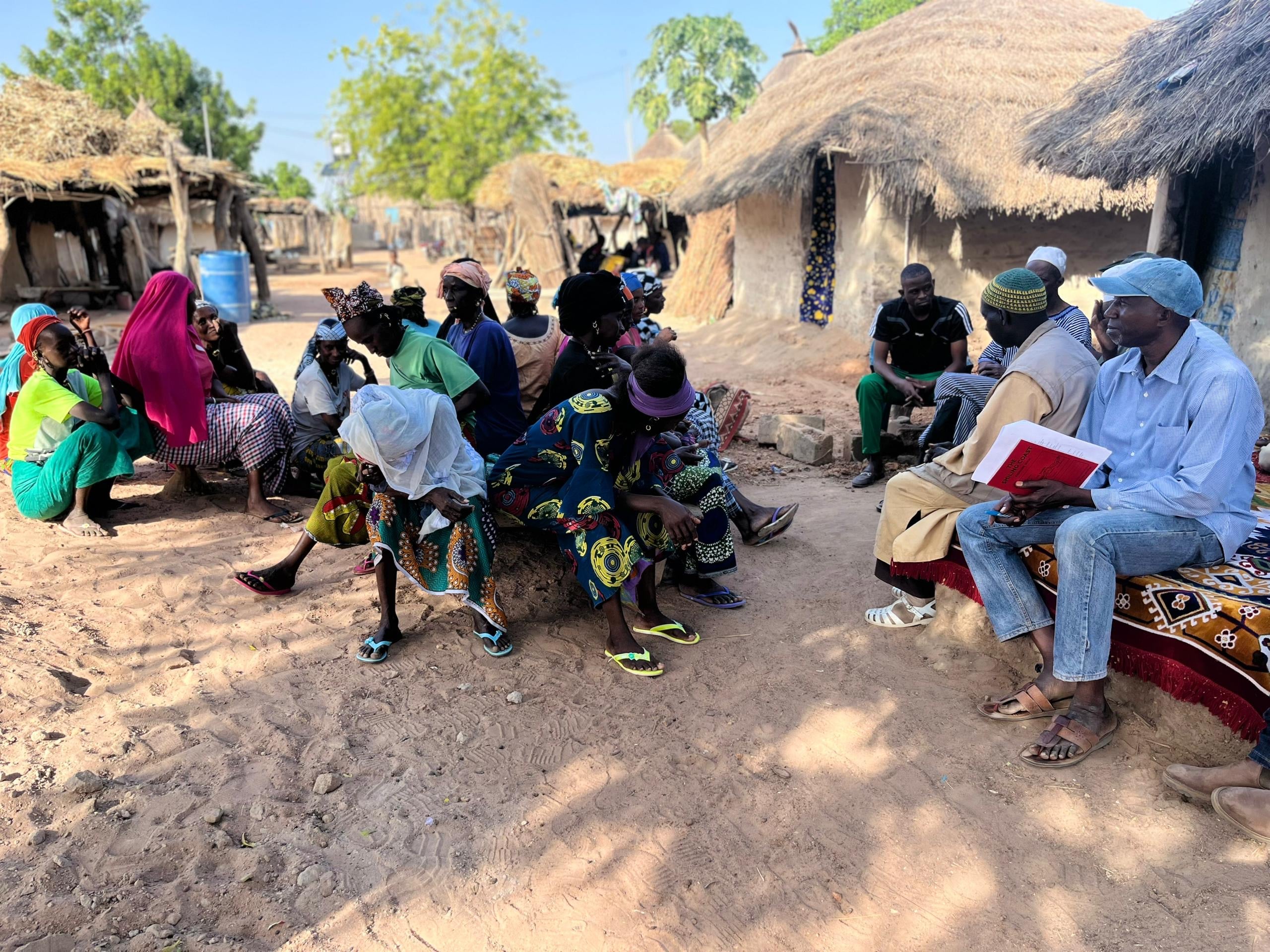
Community meeting to monitor the GIRAV project. Credit: Open Society Platform The Gambia (OSPG)
Latin America
- Advancing climate justice: During COP30 in Belém (Brazil) and the parallel People’s Summit, communities, Indigenous groups, and CSOs gathered to share testimonies and strategies, and denounce the impacts of mining, green hydrogen, hydroelectric dams, and other large-scale energy projects. The goal was to make visible the realities often hidden behind the discourse of a “just transition.” In our COP30 page, we feature interviews to amplify community voices, reflections on combatting false solutions to the climate crisis, and snapshots of the events we organised and attended. In this page, you can also read about the Mesoamerican Caravan for Climate and Life. This initiative brought together communities, collectives, and grassroots organizations from across the region in a political and territorial journey toward Belém, creating spaces for exchange, collective reflection, and visibility of struggles in defense of land, water, and life.
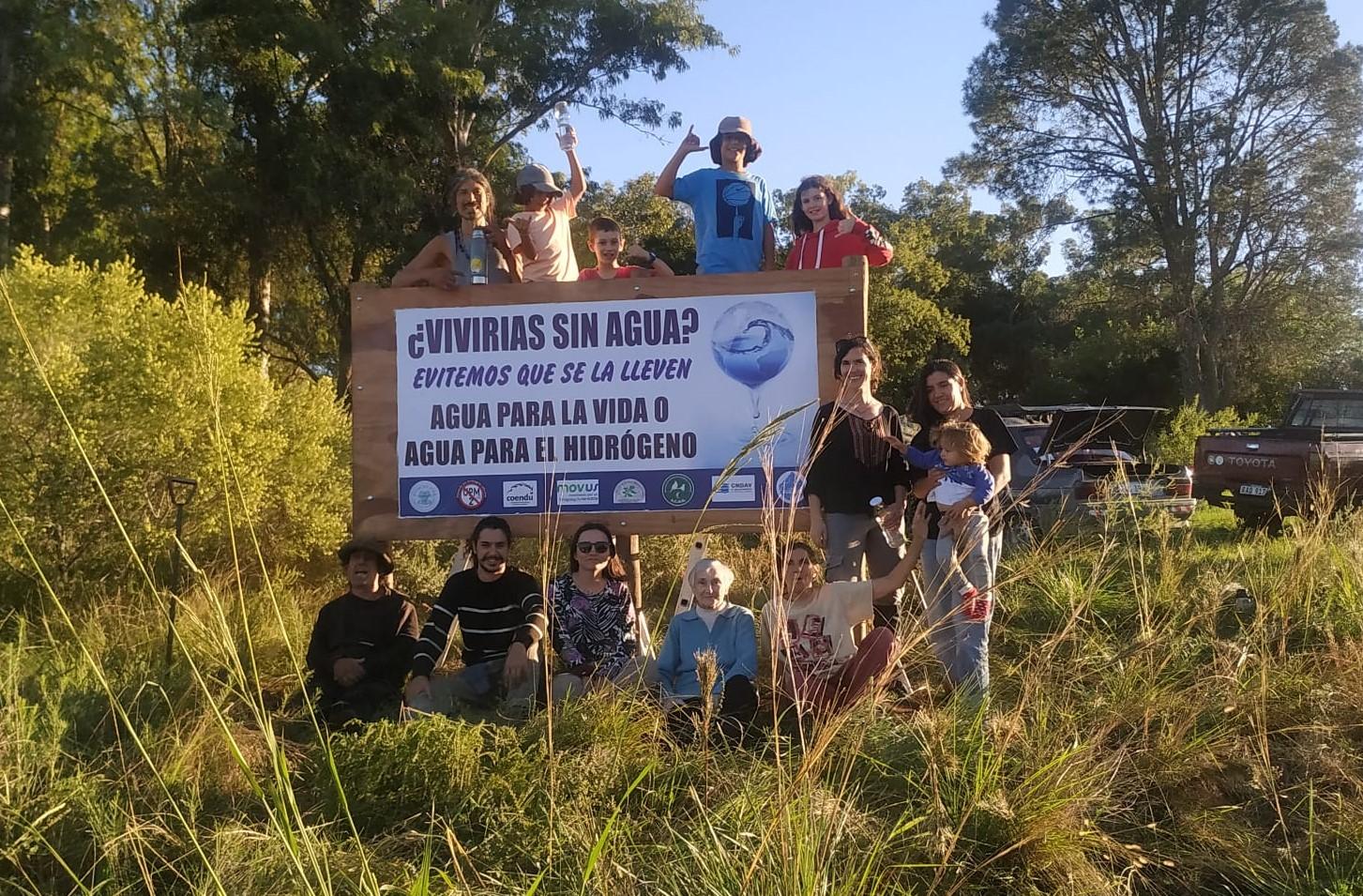
- The false promises of green hydrogen: The large-scale green hydrogen and e-methanol megaprojects planned in Chile and Uruguay are being promoted as flagship clean energy initiatives to decarbonize global industries and supply export markets, with support from development banks such as the Inter-American Development Bank and the World Bank. However, these projects threaten fragile ecosystems and critical water sources, and require massive wind, solar, desalination, and industrial infrastructure. In this blog, affected communities and civil society groups document the socio-environmental risks and their resistance to these megaprojects, warning that under the banner of “green” energy, they risk reproducing extractivist dynamics that intensify inequality, dispossession, and environmental injustice across the region.
Asia
- The land that sustains life: Beutong Ateuh Banggalang is a region in Aceh Province, Indonesia, known as the land of the aulia: a place where spiritual values, customary law, and nature coexist in harmony. This area is blessed with extraordinary natural wealth. But at the end of November 2025, this was one of the areas in Sumatra hit by disastrous floods: more than a thousand people were killed and at least 5,000 were injured. In this blog, our CRE collaborator Apel Green Aceh explains why this was a man-made disaster, and what they are doing to support affected communities in the short and long term.
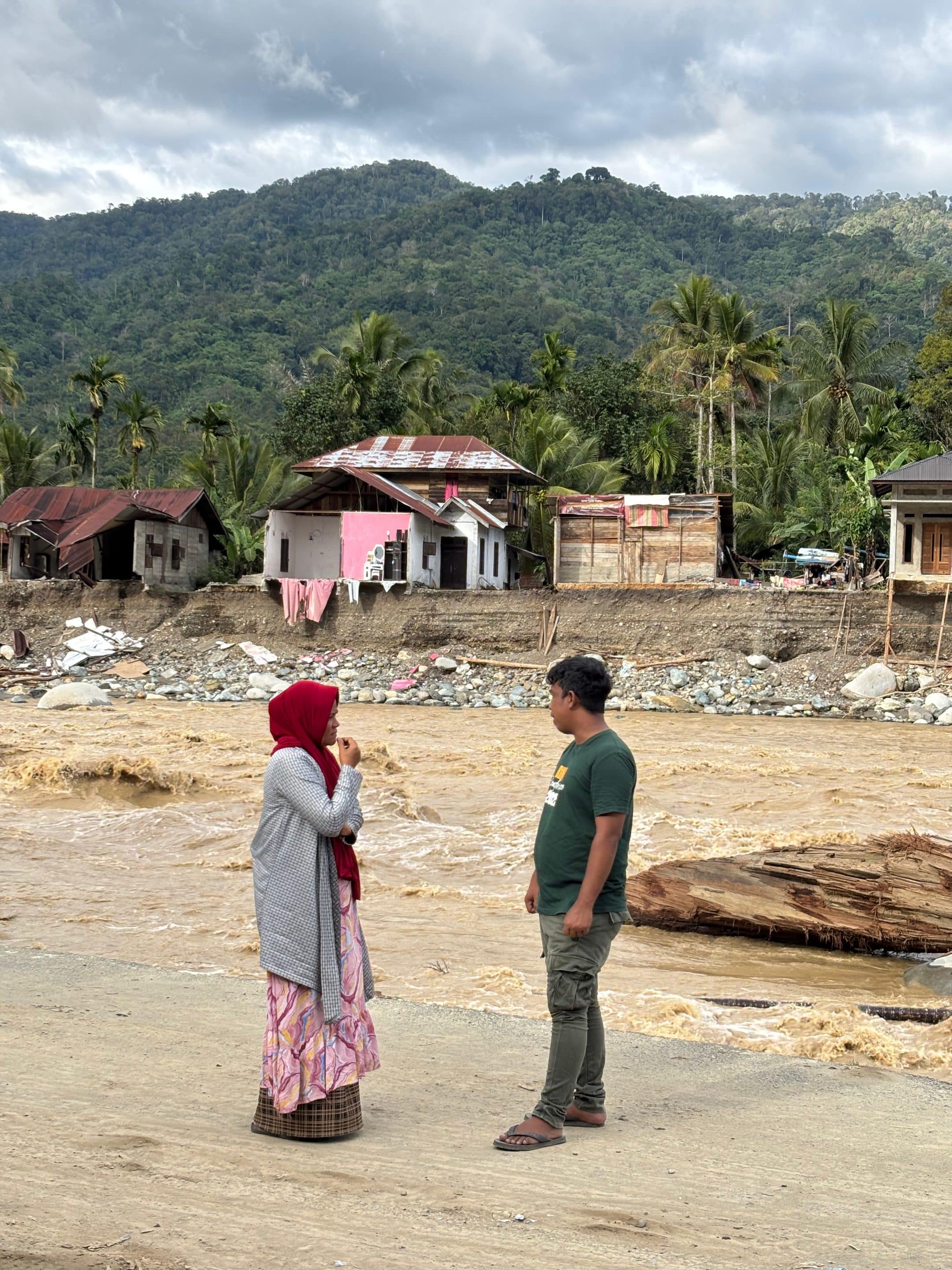
Post-floods work in North Sumatra, Indonesia. Credit: Apel Green Aceh
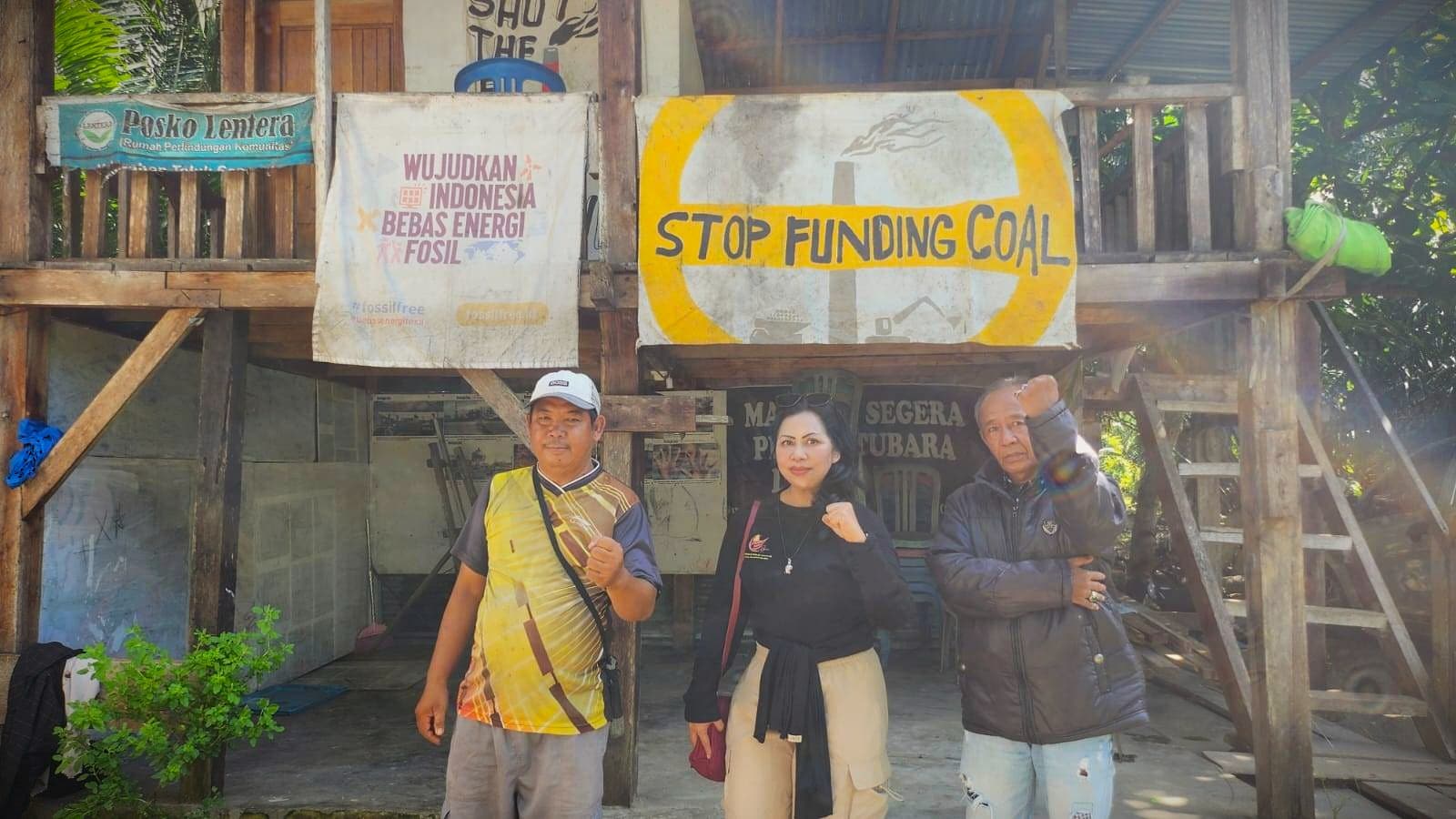
IMA activists fight for environmental rights. Credit: IMA
- Strategies to engage Chinese financiers: Children in Teluk Sepang, Indonesia, are struggling to breathe. Fisherfolk are losing livelihoods. And a precious ecosystem is being destroyed. The cause is a Chinese-funded coal plant nearby, which is heavily polluting the air, land and water sources, and discharging hot water into the sea. In this blog, our CRE partners Nukila Evanty (Inisiasi Masyarakat Adat, IMA) and Ali Akbar (Kanopi Hijau Indonesia, KHI) share about their struggle for environmental justice and human rights, and their recent learning experience at the RIMA conference – where they connected with other activists from across Asia who are seeking to hold Chinese financiers accountable.
- Joint advocacy to protect communities’ rights in Odisha: As a result of the collaborative and sustained advocacy efforts led by FIAN International, Front Line Defenders, BankTrack, and the CRE, in November 2025 eight UN Special Rapporteurs wrote to JSW Steel to raise concerns about its planned steel plant in Odisha, India. BankTrack also alerted 22 of the company’s financiers — including BNP Paribas, Standard Chartered, and DBS Bank — warning that continued financing could expose them to breaches of international human rights standards.
Wongan Women Initiative resist Lake Turkana Wind Power Project in Loiyalangani, Kenya Association
The Wongan Women Initiative (WWI) was established to address the exclusion of Indigenous women from critical decisions about land rights and energy access in Marsabit County, northern Kenya. When the Lake Turkana Wind Power Project arrived in Loiyangalani with little warning, that exclusion turned into active harm.
The project is supported by several development banks, including the Dutch Development Bank FMO, the European Investment Bank, Norfund, Finnfund, the Danish Climate Investment Fund and the African Development Bank.
Women found themselves locked out of grazing lands, cut off from fishing sites, and passed over for promised jobs and benefits. In this blog, our CRE collaborator Teresalba Sintiyan shares how her organization is mobilizing the community to ensure Indigenous women — especially single mothers, women with disabilities, and women-headed households — are centered in land registration processes and energy justice advocacy. Despite facing intimidation and threats, WWI continues to demand government accountability and a seat at the table for women in decision-making spaces, as well as the application of Free, Prior and Informed Consent (FPIC), striving for a just energy transition that prioritizes people over profit.


Publications, documentaries & resources
- “Displaced Giants”, a new documentary produced by our CRE collaborator Youth for Green Communities, exposes the human and environmental costs of the Tilenga oil fields in Western Uganda, developed by Total Energies, with a focus on Murchison Falls National Park and its surrounding communities. It shows how oil drilling activities in and around the park are displacing elephants and other endangered species, forcing them out of their natural habitat and into human settlements.
- The Sarulla power plant in North Sumatra, Indonesia, is one of the world’s largest geothermal facilities. Though promoted as a clean energy project, it has imposed significant social and environmental burdens on local communities. The Srikandi Lestari Foundation documented these impacts in a documentary and report titled “Sarulla – Hell Beneath the Earth: Environmental Injustice Behind the Renewable Energy Dream.”
- “The danger beneath the surface”: across the world, Indigenous, land and environmental defenders are facing escalating violence – much of it unseen, under-reported, and ignored. The latest “Hidden Iceberg” report, powered by new data from ALLIED, spans 75 countries and reveals sustained violence, escalating digital harassment, and a growing reliance on criminalisation to silence those protecting their lands and rights.
- “Deep-Sea Danger”: this new article by our CRE collaborator Prabindra Shakya (CEMSOJ and AIPNEE, Nepal) and Johnson Jament (Mukkuvar) shows how Canadian firm The Metals Company (TMC) metal companies is expanding its operations of deep-sea mining, threatening Indigenous and Coastal Communities in Asia and the Pacific.
- “Farmers have no freedom”: In this new report, our CRE collaborator Uzbek Forum for Human Rights & Human Rights Watch expose how cotton and wheat farmers in Uzbekistan continue to face coercion, abuse, and penalties such as land seizure for not meeting quotas. And despite years of proclaimed reforms, there are high risks of forced labour.
- In this interactive map, you can now see some short profiles of the first cohort of CRE collaborators. In the coming months, we’ll continue updating the map with the rest of the CRE collaborators and adding additional info to their profiles. For security reasons, many collaborators who prefer to remain anonymous will not appear in the map. If you collaborated with the CRE and you’d like to spotlight your struggle on the map, get in touch and write to us at: cre@rightsindevelopment.org.