Our work
With our members and partners, we work to ensure that frontline communities have the information, power and resources to determine their own development paths, and to use their own voice to hold development banks and international companies accountable for their impacts on people and the planet. Read about our collective impacts here.
- Connect: We link local communities and Indigenous Peoples with information, skills, tools, resources and allies for peer learning, capacity-building, solidarity, and collective action.
- Protect: We facilitate safety, protection and advocacy support for those facing threats.
- Mobilize: we co-create strategies with local communities, Indigenous Peoples and allies at national, regional, cross-regional and global levels to increase transparency, accountability and participation by public development banks.
- Visibilize: we amplify the stories and perspectives of local communities and Indigenous Peoples, showcase their solutions, and expose the impacts of harmful development activities.
Stories, advocacy & campaigns
Check out our stories about community-led struggles, find out about our latest advocacy efforts, and join our collective campaigns!
Hemantha Withanage: development banks must uphold human rights
Community voices: the peaceful resistance of Ixquisis
“Uncalculated Risks” exposes threats and attacks against defenders in development
Green Advocates and Liberian Indigenous Villagers File Complaint against SOCFIN
Celebrating a historic win today for human rights and accountability!
Persecution of Uzbekistan’s Independent Monitors
For World Bank, Ignorance is Bliss
A new development model for the BRICS New Development Bank
Bank on Human Rights: Bank for the Poor
Members Map
The Coalition has over 100 members based in around 50 countries.
Click here to check who our members are and learn more about their work.
OUR KEY AREAS OF WORK

COMMUNITY RESOURCE EXCHANGE
The CRE is a system to facilitate collaborations and co-develop strategies with and among communities, who are defending their rights in the context of international investments and development projects.

DEFENDERS IN DEVELOPMENT
A global campaign to prevent and address risks that human rights defenders face when raising their voices about projects funded by development banks.
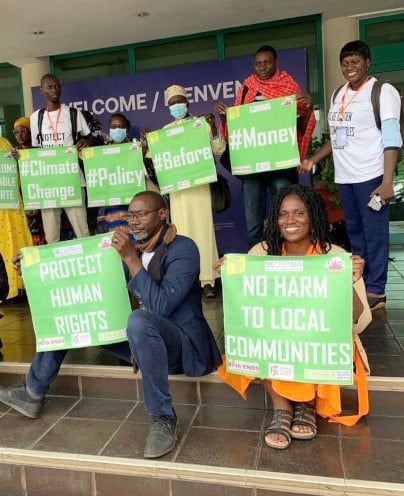
REGIONAL WORK
Together with our members and allies, we work at the national and regional level to strengthen capacity, coordination, and advocacy around development finance and human rights.

A community-led energy transition
With our Coalition’s members and partners across Asia, Africa and Latin America, we are pushing for a community-led response to climate change by transforming the economic and energy system, and making it more bottom up. As part of this collective and cross-regional work, we are
- developing joint demands and a joint narrative on a community-led approach to the just energy transition and dignified, equitable energy access;
- amplifying stories of communities negatively affected by extractivist energy projects and showcasing their resistance, perspectives, and ideas for a different economic model;
- coordinating advocacy efforts and engaging in spaces such as the COP or the G20;
- producing collaborative research on the negative impacts of the current approach to the energy transition and advocating for community-led alternatives.

Toolkits & Guides

About Development Finance & the Early Warning System