

Cross-regional updates
2026 Call for Proposals
In April 2026, we launched three thematic, regional calls for proposals, open to communities leading struggles and defending their rights in the context of projects funded by development banks and international investors:
- Africa – critical minerals
- Asia-Pacific, Central Asia, and the South Caucasus – energy projects
- Latin America – water and extractivism in the context of just energy transition projects.
The CRE Regional Working Groups are now busy reviewing the almost 500 requests received and by August we will be awarding the grants.
Cross-regional exchange on geothermal energy projects
On 25 May, the CRE hosted a cross-regional community exchange on geothermal energy projects in Indonesia and Kenya, their impact on communities, and strategies of resistance (such as litigation, community mobilization, advocacy, campaigns, empowerment of women community leaders, etc) . This exchange allowed partners to share their experiences, identify common challenges, and learn from each other about different tools and approaches to advocate for their rights in the context of geothermal projects.

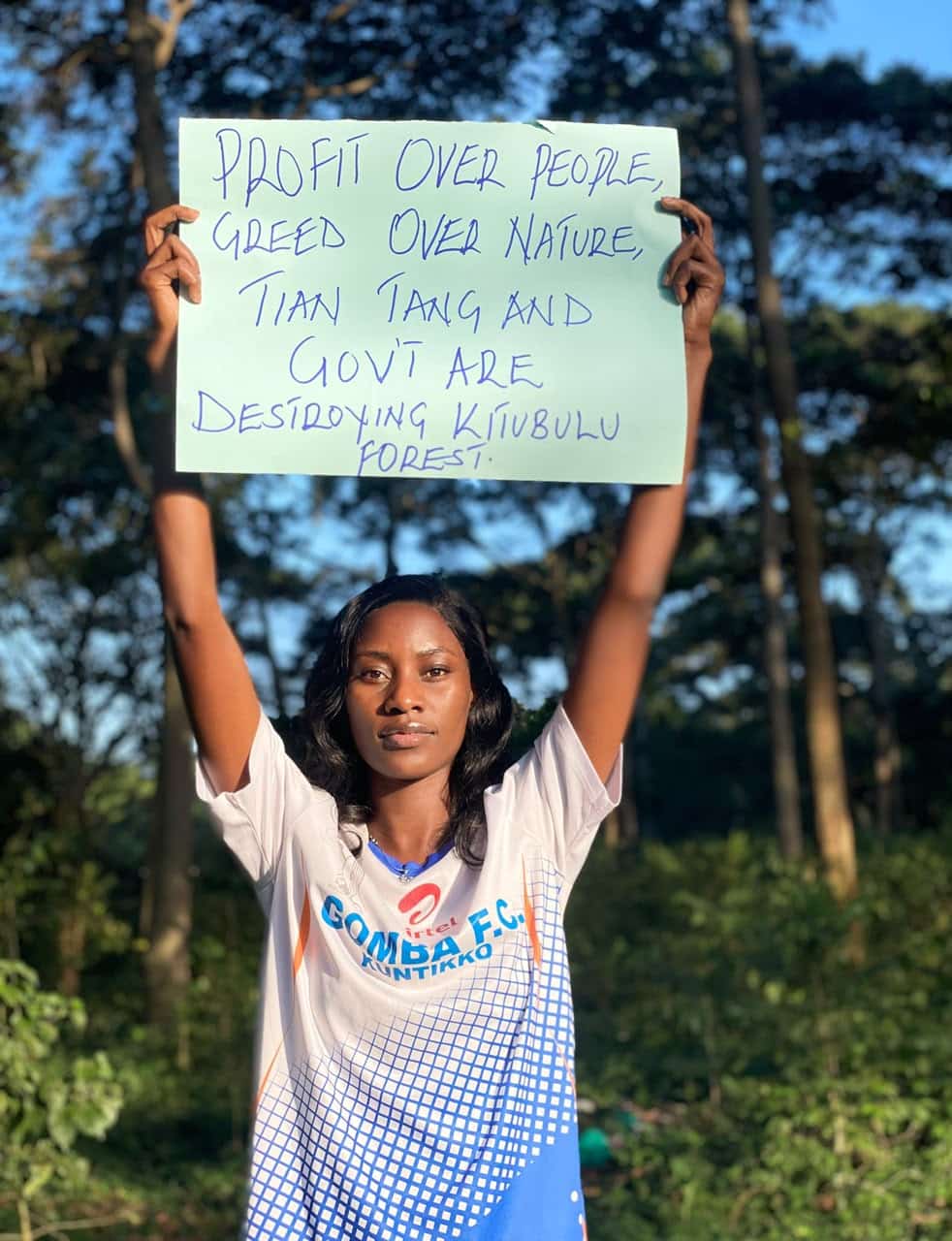
Awareness-raising activity with communities living near the Kitubulu forest. Credit: Youth for Green Communities
Africa
- A success story from Uganda: In January 2026, Uganda’s President Museveni ordered the immediate cancellation of all land titles issued in the Kitubulu Central Forest Reserve, citing the forest’s critical role in protecting Lake Victoria’s biodiversity and filtering pollutants. Our CRE collaborator Youth for Green Communities – with support from Environmental Defenders Collaborative, through a CRE referral – had accompanied affected communities in their advocacy and campaigns. Read more in this blog written by our Coalition’s member Aryampa Brighton (founder and CEO of Youth for Green Communities), Alessandra Thunde and Masande Sigebu (interns at the Coalition for Human Rights in Development and students at the University of Cape Town).
- Community-led development stories from Kenya: In this blog, which is part of a larger analysis of the impacts of the geothermal expansion in Kenya, our Research and Learning Facilitator Charlize Tomaselli, presents some of the key livelihood strategies and alternative visions of communities living near geothermal fields. From community-managed conservation, locally designed water systems and livelihood initiatives in Mount Suswa to family farms in Menengai and women’s craft markets in Olkaria, these examples shared by our CRE partners reveal a vision of development rooted in stewardship, self-determination, and the ability of communities to shape their own futures.
Latin America
Workshop with Quilombola Communities in Brazil
In April 2026, the CRE supported a three-day gathering in Minas Gerais, Brazil, bringing together quilombola communities to strengthen collective strategies in response to the expansion of eucalyptus monoculture and lithium mining projects across their territories, with a number of these projects receiving funding by development banks like the International Finance Corporation (IFC).
The gathering was led by COQUIVALE—the Commission of Quilombola Communities of the Jequitinhonha Valley, which represents Afro-Brazilian communities descended from formerly enslaved people who established autonomous territories and have preserved distinct cultural identities and ancestral traditions. Instituto Maíra, members of the coalition, organised and facilitated the event.


In-person meeting of the green hydrogen community of action group in Chile
From May 13-15, members of the Latin American Green Hydrogen Action Group met in Santiago to exchange experiences, strengthen relationships, and develop joint strategies in response to the expansion of green hydrogen projects across the region. Organised by the CRE with logistical assistance by Sustentarse, the meeting brought together representatives of organizations and communities from Argentina, Chile, Mexico, and Uruguay who are facing similar challenges as large-scale projects promoted under the banner of the energy transition continue to advance.
IDB Annual Meetings – Our CRE collaborator Loreto Vázquez Salvador from the ACUE Foundation (Asamblea Ciudadana Última Esperanza, Magallanes, Chile) participated in the 2026 Annual Meetings of the Inter-American Development Bank (IDB) in Asunción in March, alongside the Coalition and the Working Group on the IDB. Her participation underscored the importance of local ecofeminist organisations such as ACUE claiming space in these decision-making forums and advocating for development approaches that move beyond macroeconomic indicators to incorporate community-level realities, including the gender-differentiated impacts of development projects. Watch the interview with Loreto here.
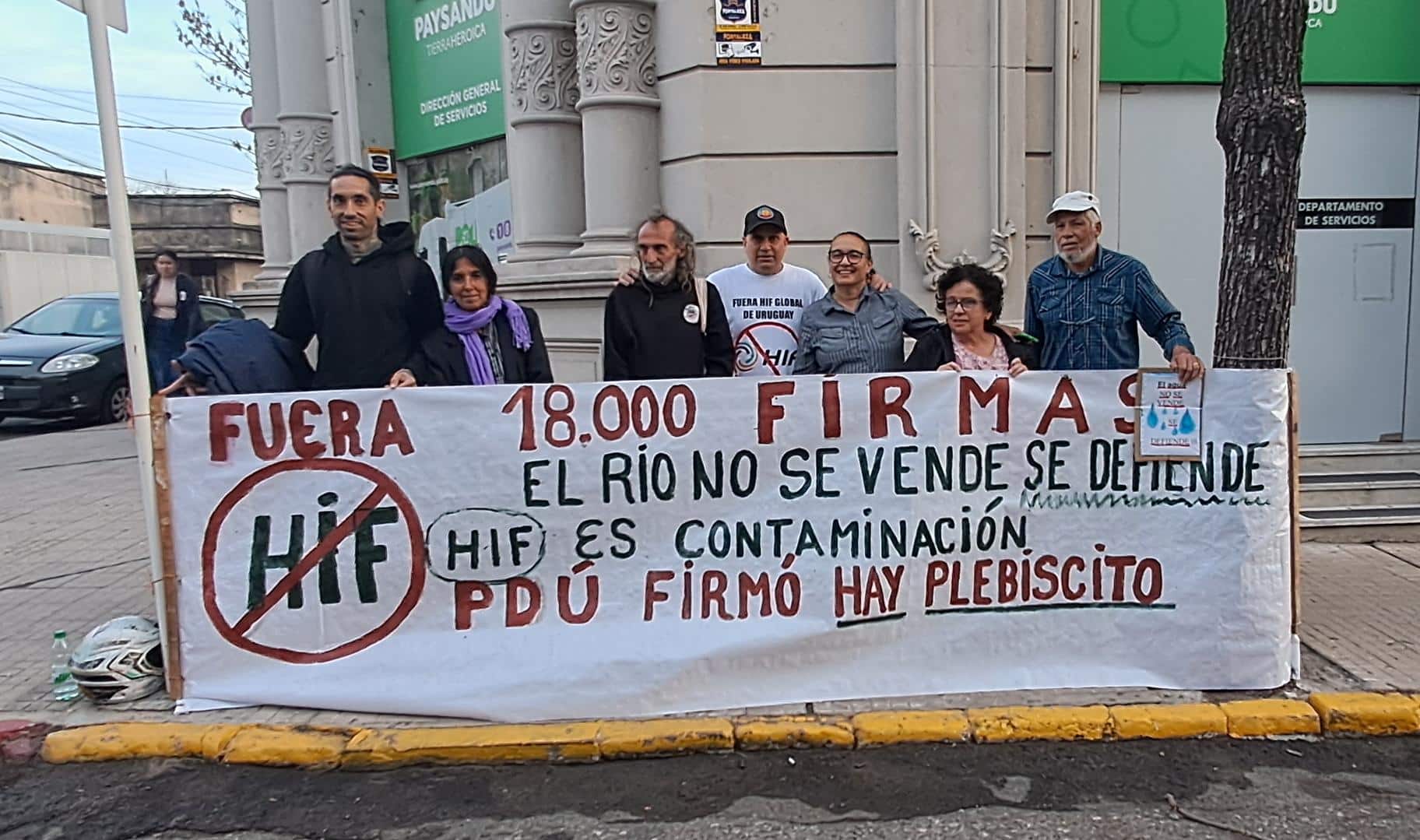
A petition against a green hydrogen plant in Uruguay – In Paysandú, the citizen movement Paysandú por un Uruguay Soberano (Paysandú for a Sovereign Uruguay) gathered 17,000 signatures calling for a departmental referendum on a proposed green hydrogen and e-fuels plant by the Chilean conglomerate HIF Global. The signatures were formally submitted to the Junta Departamental (Department Council) on June 10. Read more.
A community-led struggle against a mega-project in Mexico – Over 150 organizations, including 23 community groups from the Isthmus of Tehuantepec, have condemned the lack of transparency surrounding the green hydrogen and ammonia megaproject developed by Helax-CIP. They accuse Helax Istmo and Mexican authorities of withholding key information about the project’s impacts and agreements, undermining communities’ ability to make informed decisions. The groups are calling for the project’s cancellation and warning that the energy transition is being used to justify new forms of dispossession and energy colonialism. Our CRE partners GeoComunes have been mapping the multiple methane projects in Mexico and the colossal infrastructure necessary for its production (consisting mainly of gas pipelines and liquefaction terminals). Read more in this statement.
Asia
A petition against mining in Indonesia
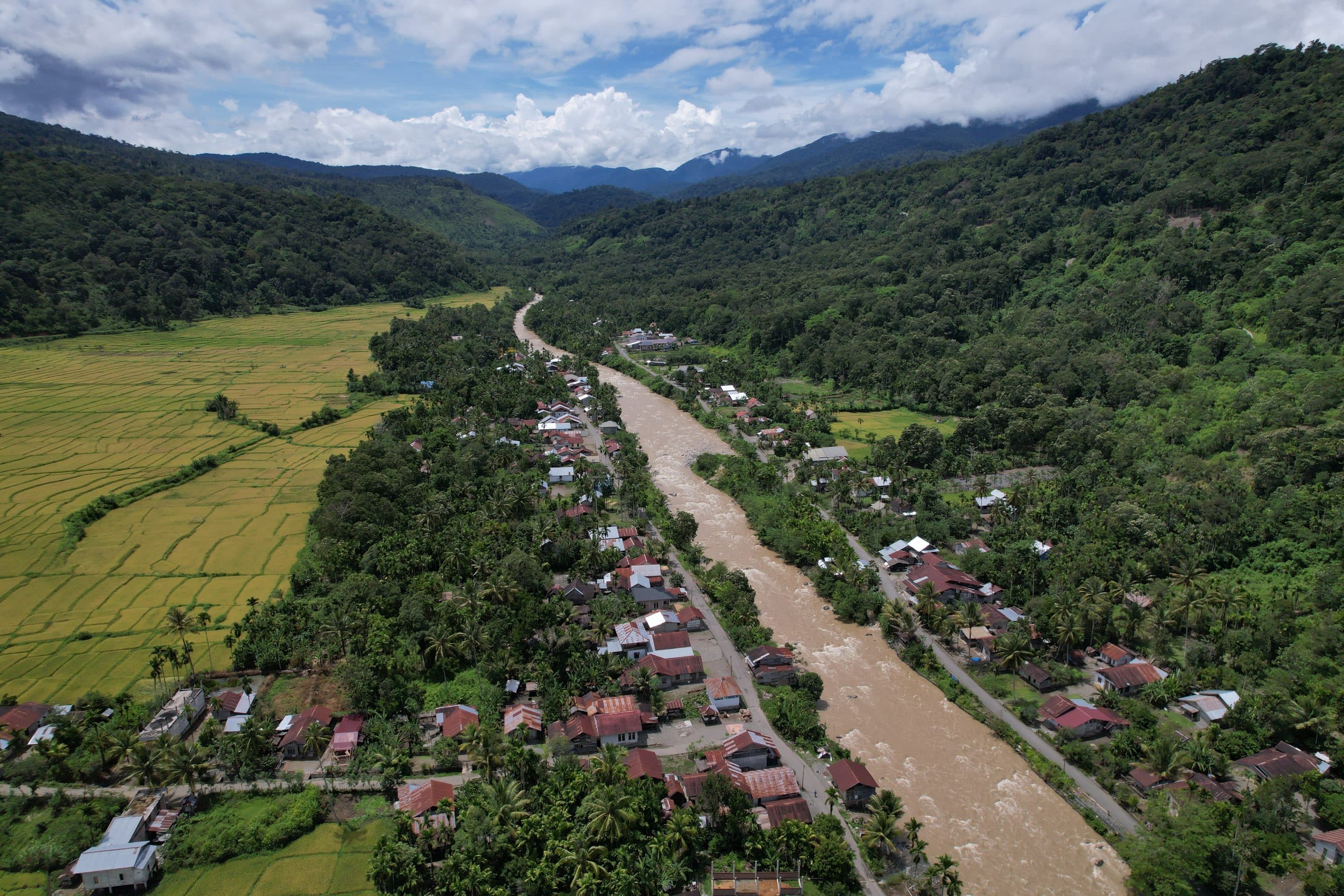
Our Indonesian CRE community collaborator Apel Green Aceh has launched a petition, together with the Indigenous peoples of Beutong Ateuh and the Pawang Uteun community, to stop mining activities and save the forest of Beutong Ateuh. Aceh had experienced severe flooding in the last months, with disastrous impacts exacerbated by deforestation and mining activities. If further mines are approved, thousands of hectares of forest could be stripped bare. Rivers will be polluted. Wildlife will lose its habitat. Indigenous land will be fragmented. And people will lose the land they have protected for many generations.
A community-led struggle to save a river in Pakistan
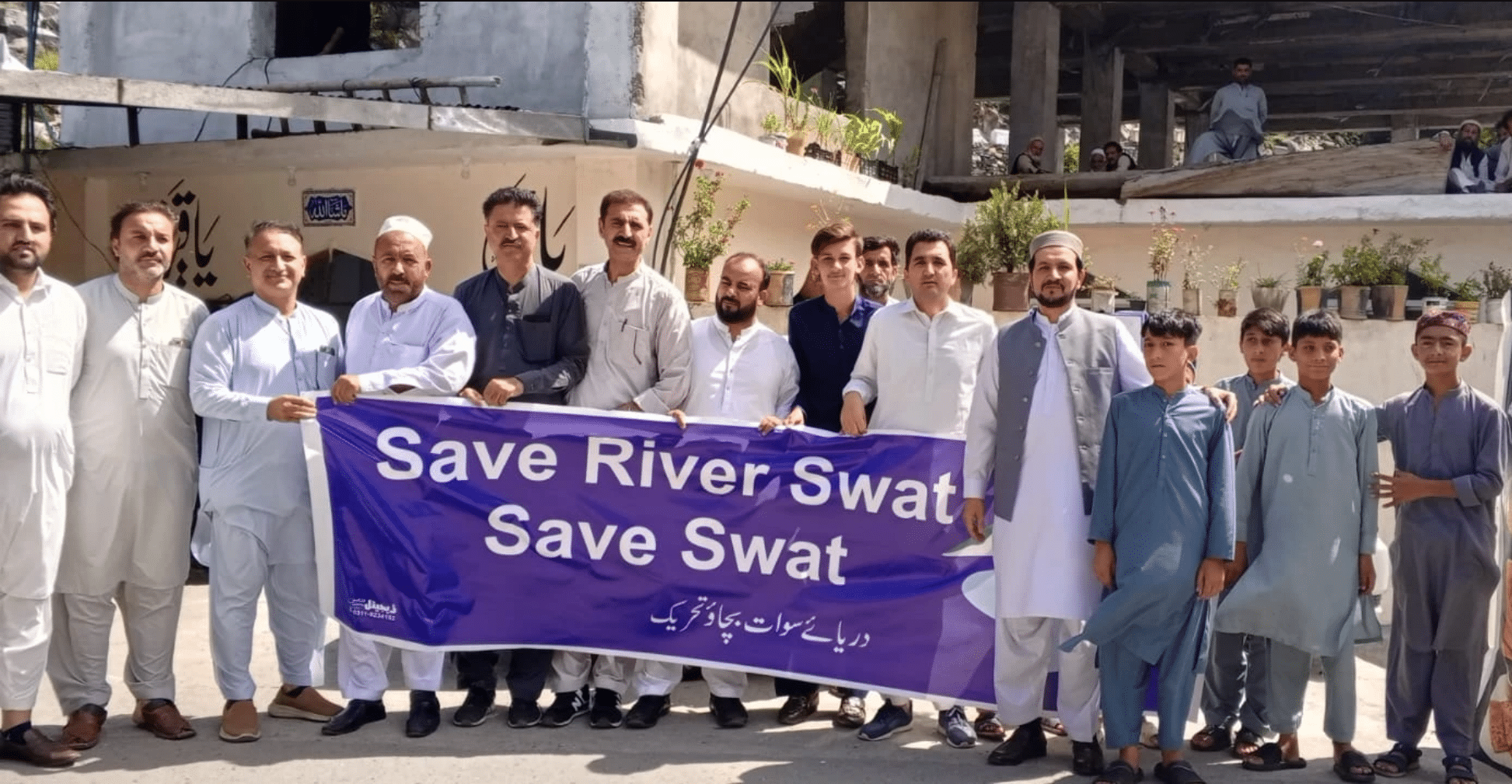
For the Indigenous Torwali community living in the Swat valley, in northern Pakistan, rivers are not a “resource.” They are not just “water.” They are the heartbeat of their nation, a sacred presence, the manifestation of the goddess Dara connecting them to their ancestors. But under the justification of the “electricity crisis,” in the past few years, the Pakistani government has been pushing a new wave of hydroelectric projects that are threatening this river system, along with the ecosystems and cultural systems tied to it. Read more in this blog written by our Coalition’s partner Zubair Torwali and originally published by Global Voices on 8 May 2026.
Solar-powered incubators bring light to rural lives in Bangladesh
Since 2022, our CRE partner and Coalition’s member Initiative for Right View (IRV) has been working with a rural community in the village of Chapatola Guchchagram, in Bangladesh’s Bagerhat District. This year, with support from ActionAid Bangladesh, IRV helped set up a solar-powered incubator to be operated by 10 women in the community, which will be accessed by 119 families of the village. Read more.
Resisting a mine expansion in Georgia
Our CRE partner Salam movement is supporting a local community in Darvaz, a rural settlement in the Bolnisi Municipality in southern Georgia, in resisting the expansion of RMG Gold’s open-pit gold mine. According to a briefing by the Business and Human Rights Centre, RMG Gold is a subsidiary of “Rich Metals Group”, a Netherlands-based company with a complex chain of ownership. Journalists have traced RMG’s ownership to an apparent parent company, Eulachon, based in the Isle of Man and owned by two Russian billionaires, Dmitry Korzhev and Dmitry Troitsky. Residents are demanding to be consulted and to stop the expansion of mining activities, which threaten their health and environment.
Community’s story in the spotlight: Justice For Phichit (Thailand)
After a decade-long struggle, in March 2026 communities in Thailand’s Phichit and Phetchabun provinces secured a landmark victory in the country’s first-ever environmental class action lawsuit.
The Ratchada Civil Court found Akara Resources (a subsidiary of Australia-based Kingsgate Consolidated) liable for environmental contamination and related harms caused by its mining operations at the Chatree Gold Mine, in central Thailand. Since operations began in 2001, more than 6,000 people have suffered from water and soil contamination, health problems, and loss of livelihoods caused by the mine’s activities.
The judge ordered compensation for nearly 400 affected villagers and environmental rehabilitation measures, setting a historical precedent for corporate accountability and environmental justice in the country and the wider region. However, the court reduced the level of compensation sought by the villagers and the fight for full and adequate remedy still continues.
The community was accompanied in this struggle by our Coalition member Manushya Foundation, a Thai feminist organization, who collaborated with the CRE to conduct field missions and collect evidence to build the legal case. Manushya, on behalf of the affected communities, in 2024 had also filed a complaint to 13 UN Special Procedures, exposing human rights violations and calling for justice.
Read more
- #JusticeForPhichit: Fighting for corporate accountability – Manushya
- Timeline of the case – Business and Human Rights Resource Centre
- UN letter to Akara Resources

Publications, documentaries & resources
- OECD Watch – “Civil society guide to leveraging the OECD’s guidance on a just transition“
- ISHR – “Advocacy for Environmental Human Rights Defenders“
- Business & Human Rights Centre – “Navigating a global crossroads: Human rights defenders and business in 2025“
- Mapas Falsas Soluciones – Guía de metodologías de educación popular para la Justicia Climática (Spanish only)
- Plataforma Justicia Climatica – Glosario de la Justicia Climática (Spanish only)
- Short documentary “What a Just Transition Means on the Ground: Community Experiences from Kandaskira graphite mining in Tanzania“
- In this interactive map, you can now see some short profiles of the first cohort of CRE collaborators. In the coming months, we’ll continue updating the map with the rest of the CRE collaborators and adding additional info to their profiles. For security reasons, many collaborators who prefer to remain anonymous will not appear in the map. If you collaborated with the CRE and you’d like to spotlight your struggle on the map, get in touch and write to us at: cre@rightsindevelopment.org.